
Cornwall Council Faces Fury Over Controversial Glyphosate Weed Plan
Cornwall, renowned for its stunning gardens and lush landscapes, is embroiled in a heated dispute over a council proposal to use the herbicide glyphosate to manage roadside weeds. The unitary authority announced plans to reintroduce the chemical for tidying pavements and kerbsides, despite having largely phased it out over the past decade due to concerns about potential harm to humans and the region's rich ecosystems.
Protests Erupt Over Health and Environmental Risks
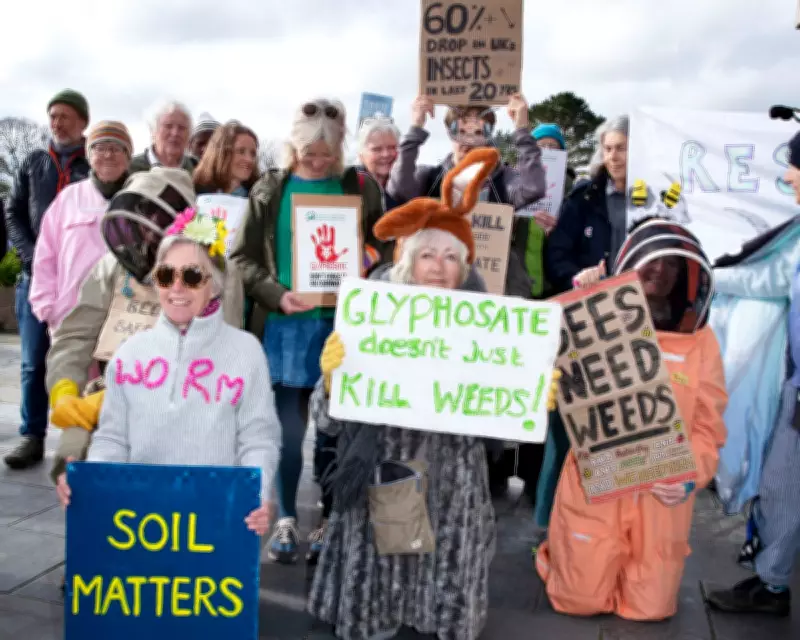
On Tuesday, dozens of protesters gathered at County Hall in Truro ahead of a council meeting where the issue was debated. Thousands have signed petitions against the scheme, arguing that glyphosate could endanger people, animals—particularly bees—and damage beloved beauty spots like the surfing beaches of the north and winding river systems of the south.
Beekeeper Nichola Andersen, who attended in her protective suit with a sign reading "Bees need weeds," expressed fury, calling the move a "retrograde step." Another beekeeper, Oliver Baines, criticized the council for going against a national trend away from glyphosate, emphasizing that so-called weeds are actually wildflowers vital for pollinators.
Protesters like Lesley Fitt, wearing a gas mask, highlighted the well-known dangers of glyphosate, while Marianne Daysh donned floppy ears to symbolize risks to mammals such as rabbits and hedgehogs, worrying about grandchildren picking contaminated wildflowers.
Alternative Approaches and Council Debate
Some smaller Cornish councils, including Penryn and Redruth, are pursuing community-led efforts to clear weeds without chemicals, with suggestions like volunteer groups or even a "community goat." Meanwhile, over 10,000 signatures on petitions and a letter from 200 health professionals have opposed the glyphosate plan, especially near schools and healthcare settings.
During the council meeting, Green councillor Drew Creek from Newquay called for a pause, citing the World Health Organization's classification of glyphosate as a probable human carcinogen since 2015. He warned of surface water run-off contaminating watercourses and the sea, affecting areas like surfing spots.
Council Defense and Advisory Vote
Portfolio holder for transport Dan Rogerson defended the "limited reintroduction," stating that years of neglected weeding have compromised public safety. He assured that a diluted solution would be applied with "targeted droplets" only on hard surfaces, not verges or green spaces, minimizing exposure.
Council leader Leigh Frost noted that other authorities have tested mixed methods with diluted glyphosate, and thousands of complaints about pavement conditions have been received. A council report argued that non-chemical methods alone cannot effectively maintain Cornwall's 1,000 miles of urban roads, recommending a three-year "tightly controlled recovery phase" with negligible impact on pollinators.
Ultimately, councillors voted in favor of Creek's motion to pause the plan, but this is only advisory. The cabinet, led by portfolio holder for environment Loic Rich, must now decide whether to proceed or halt the programme, with Rich suggesting they may reconsider given the clear public message.




