
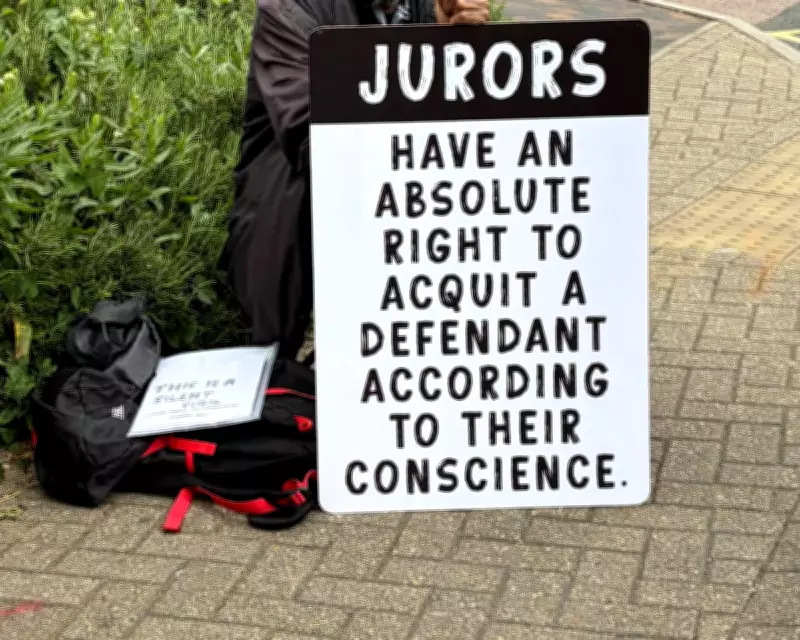
A prominent human rights barrister, Rajiv Menon KC, is facing contempt of court proceedings after being accused of defying a judge's orders during the trial of six Palestine Action activists. The case has drawn attention to the principle of jury equity—the right of a jury to acquit based on conscience—and its limits in UK courts.
Background of the Trial
The trial involved six activists who participated in a direct action protest in 2024 at an arms factory owned by Elbit Systems UK, an Israeli subsidiary, in Filton near Bristol. They were charged with violent disorder, aggravated burglary, and criminal damage. Before the first trial, Mr Justice Johnson ruled that the defendants could not argue they had a "lawful excuse" due to the actions of the Israeli military in Gaza. He further directed that lawyers could not invite the jury to disregard his legal rulings or apply jury equity.
Menon's Closing Speech
During his closing speech, Menon referenced the historic Bushell's case from 1670, which established jury independence, and read a plaque inscription from the Old Bailey commemorating the case. He stated six times that the trial judge could not direct the jury to convict. Johnson later said Menon's speech effectively invited the jury to ignore his directions to set aside views on the Middle East and emotions.
Contempt Proceedings
The proceedings against Menon are believed to be the first of their kind against a barrister regarding a jury speech in living memory. Menon, who previously worked on the Stephen Lawrence inquiry, Hillsborough inquests, and Grenfell Tower inquiry, represented defendant Charlotte Head. His lawyers have challenged the case, and the Court of Appeal will decide whether the proceedings proceed.
Retrial and Outcome
In the retrial, Head and four co-defendants dismissed their barristers before closing speeches, citing court decisions that hindered their representation. They delivered their own addresses. However, after Head and three others were convicted of criminal damage, Menon was re-engaged to represent her in an unsuccessful bail application.




