
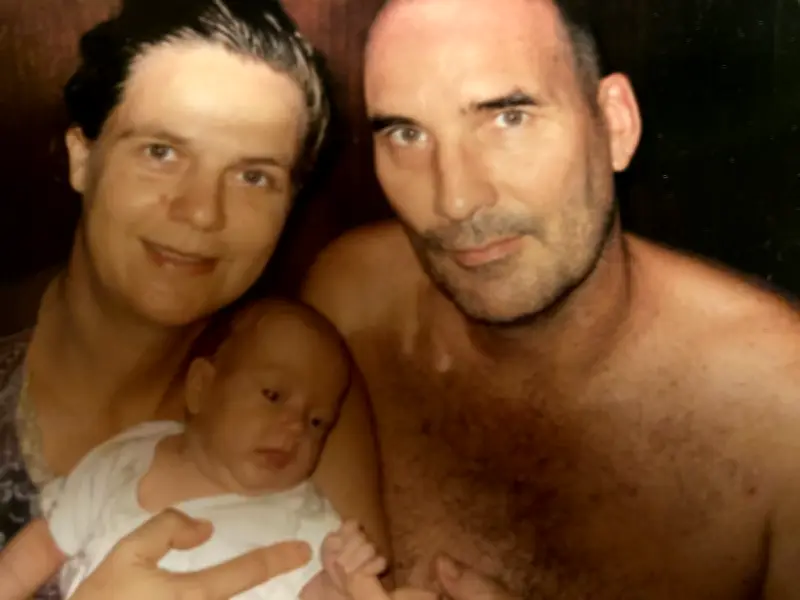
Liza Shaw and Rohan Wightman first met in 1998 in Lismore, New South Wales, where both were attending university. Shaw noticed Wightman around town wearing a sarong and peacock feather earrings, describing him as distinctive and slightly dandyish, sometimes wearing dresses on campus. At the time, Shaw had another partner, but a mutual friend introduced them, and they became housemates.
They bonded over living together and hosting dinner parties, where they discussed life and politics late into the night. Shaw was intrigued by Wightman's friends, including a member of the Black Panthers who once stayed at their house.
Reconnection and the Woomera protest
After that year in Lismore, Wightman moved to Lamb Island in Queensland, and they lost contact. In 2001, they reconnected at a May Day rally in Naarm (Melbourne). They went to see his friend's folk punk band Mutiny at the Tote hotel. Because Shaw lived nearby, she invited him to stay over. She recalls that in those days, many friends stayed in her bed for convenience, and they shared some intimacy that night, though Shaw still considered it casual.
They started hanging out again and embarked on a road trip to attend a protest at Woomera in the South Australian desert. The Howard government had set up a detention centre where refugees were imprisoned. Shaw provided first aid for injured protesters while Wightman helped set up the protest camp.
On the first night, they were sleeping in the back of the car when police arrived and started arresting people. After that, Shaw was on edge and could not sleep much. Over the days of the protest, there were many traumatic moments, including detained refugees coming to the fence and trying desperately to escape. One incident involved a mother passing her child to Wightman through a small hole in the fence.
Emotional turning point
After the protests ended, they got a hotel room together in Port Augusta. Shaw remembers they held each other and cried, comforting each other from the human trauma they had witnessed. She had a feeling of Wightman being her safe space where she could share release and catharsis. She realized they not only held the same political values but could also provide each other with deep emotional support. She had never felt that way with anyone before.
Shaw reflects that it is over 20 years since that moment. Since then, they have lived in Darwin, travelled in Asia, and moved to Castlemaine. After their daughter Ksenya was born, parenting became all-consuming, so protesting took a back seat. Wightman has worked as a teacher, often in disadvantaged schools, and Shaw is a health promotion officer, so they feel they are still making a positive impact for the community.
Shaw describes Wightman as a great father who is always willing to talk through the challenges they have faced as parents. She notes he is not an alpha male and does not display toxic masculinity, though he can be despondent at the state of the world. But they still have great fun together, and she loves his generous spirit and sense of adventure. She concludes, 'When I’m with him, he’s still my safe space.'




