Zelenskyy Sacks Defence Minister Amid Rising Tensions
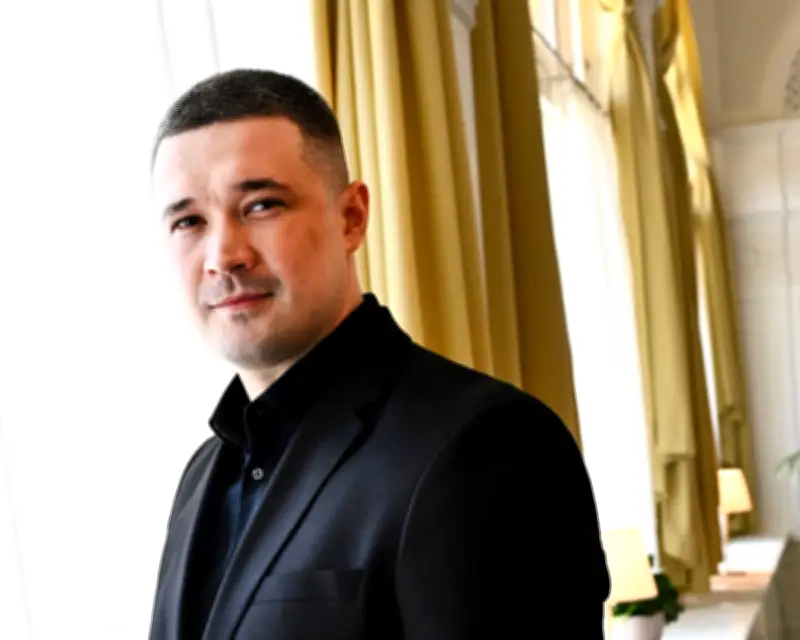
Volodomyr Zelenskyy's abrupt dismissal of Ukraine's youthful and innovative defence minister, Mykhailo Fedorov, has exposed a troubling flaw in the president's leadership, according to analysts. The move, which startled senior European officials and sparked protests in Ukraine, came just as Kyiv appeared to be gaining advantages in several spheres of its war with Russia.
Fedorov, aged 35 and appointed in January, was celebrated for leveraging Ukraine's technological advances in drone and missile technology. He streamlined military procurement, introduced competitive tendering to combat corruption, and sought solutions to recruitment and training crises. He was also a key driver of Ukraine's drone programme, building on his work as minister of digital transformation.
Clash of Generations and Strategies
Fedorov, a former marketing executive close to Zelenskyy who never served in the army, clashed with the 60-year-old military chief of staff Oleksandr Syrski. Syrski, a graduate of Moscow's higher combined arms command school, favoured a traditional war of attrition against a larger foe, while Fedorov pushed a tech-driven, improvisational approach that showed recent dividends.

Fedorov also persuaded Elon Musk to turn off unauthorised Russian Starlink access earlier this year, described by frontline troops as a significant advantage. His data-driven approach included a killing-for-points scheme to reward effective units, dismissed by some military old guard.
Internal Rivalry and Zelenskyy's Handling
At a press conference after his removal, Fedorov said he requested Syrski's removal after the president said he did not plan to replace the general. “All the initiatives we proposed began to be blocked,” Fedorov said, accusing Syrski of splitting the country instead of finding asymmetrical ways to defeat Russia. Zelenskyy, at a joint press conference with outgoing UK prime minister Keir Starmer, appeared to complain about being asked “to choose between sides” when he wanted unity.
An editorial in the Kyiv Independent criticised the decision, saying it “bears all the hallmarks of Zelenskyy’s tendency to dismiss top officials who get too popular, ahead of hypothetical elections that will never happen if Russia overwhelms Ukraine.”
Protests and Future Impact
Demonstrations over Fedorov's removal continued for a second day. Zelenskyy appointed Yevhen Khmara, former head of the state security service's Alpha unit involved in drone strikes, as interim defence minister. Khmara is expected to push forward Fedorov's key reform programmes, but questions remain about whether anyone can be genuinely empowered in the role.
Russian military bloggers celebrated Fedorov's ousting. The dismissal highlights Zelenskyy's struggle to assemble and retain a cohesive team of senior officials, balancing competing interests to ensure continuity in the war effort.