In a landmark development for human rights in Syria, authorities have made arrests in connection with the 2013 Tadamon massacres, where hundreds of civilians were killed by forces loyal to President Bashar al-Assad. The arrests, announced on May 4, 2026, represent a significant step toward accountability for one of the worst atrocities of the Syrian civil war.
Background of the Tadamon Massacres
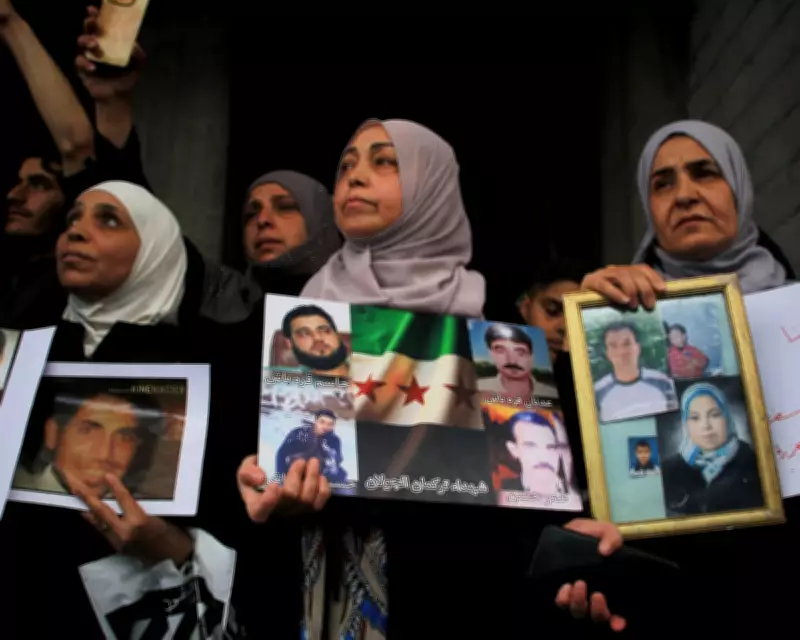
The massacres occurred in the Tadamon neighborhood of Damascus in 2013, when government forces and allied militias launched a brutal crackdown on opposition-held areas. Reports indicate that over 800 people were killed, including women and children, in what human rights groups have described as a deliberate and systematic attack on civilians. The victims were allegedly executed in their homes, with many bodies found in mass graves.
Arrests and Investigation
According to Syrian judicial sources, several high-ranking officials and military personnel have been taken into custody. The investigation, conducted by a special tribunal established in 2024, has gathered evidence from survivors, satellite imagery, and defectors from the regime. The charges include crimes against humanity, war crimes, and murder.

This move is seen as a rare instance of the Syrian government prosecuting its own forces for human rights abuses. However, critics argue that it may be a selective justice aimed at appeasing international pressure, as many other atrocities remain unaddressed.
International Response
The United Nations and human rights organizations have cautiously welcomed the arrests. UN High Commissioner for Human Rights Volker Türk stated, “This is a positive step, but it must be part of a broader commitment to end impunity for all crimes committed during the conflict.” The European Union has called for transparency in the proceedings and for the suspects to receive fair trials.
Meanwhile, families of the victims expressed mixed emotions. Some see the arrests as a long-awaited acknowledgment of their loved ones’ suffering, while others doubt that true justice can be achieved under the current government. “We want the truth and accountability, but we fear these trials may be a show,” said a survivor who asked to remain anonymous.
Implications for Syria’s Future
The arrests come amid ongoing efforts to stabilize Syria after over a decade of war. While the country remains divided, with parts controlled by opposition forces and foreign powers, the prosecution of regime figures could set a precedent for future reconciliation processes. However, experts warn that without a comprehensive transitional justice framework, such actions risk being seen as politically motivated rather than genuine accountability.
The trial of the accused is expected to begin later this year. Observers will be watching closely to see whether it leads to further prosecutions or remains an isolated case in a conflict marked by widespread impunity.