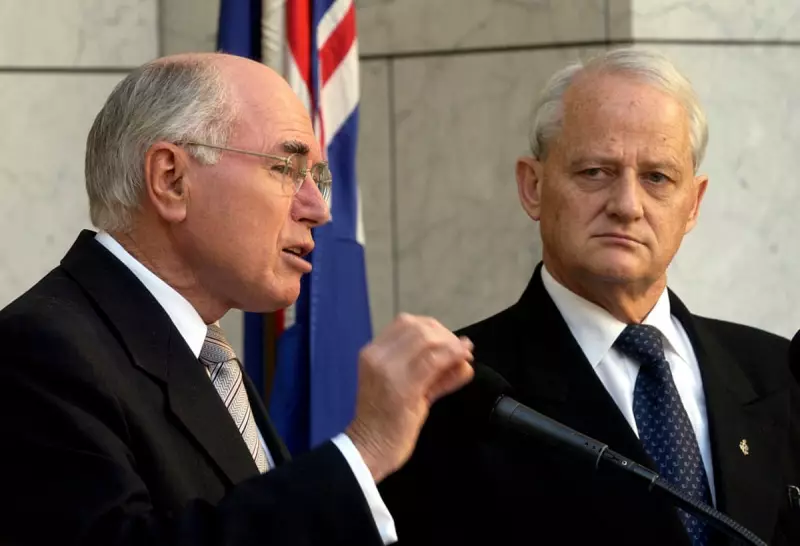
Secret government documents from 2005 have been made public, revealing a contentious and ultimately unsuccessful push to introduce lifetime pensions for members of parliament. The proposal, championed by the then Minister for Immigration, Philip Ruddock, sought to grant MPs a pension for life after just eight years of service.
The Controversial Proposal Details
The newly released cabinet papers detail a submission from Mr Ruddock to the then Prime Minister, John Howard, in August 2005. The core of the plan was to significantly reduce the qualifying period for a parliamentary pension from the existing threshold to just eight years. Under this scheme, an MP elected at age 30 could start drawing a pension at 38, continuing to receive payments for the rest of their life.
The proposal argued that the existing superannuation scheme was inadequate and failed to recognise the "unique and demanding" nature of parliamentary service. It suggested that a lifetime pension would provide greater financial security for former MPs, especially those who had entered politics mid-career and found it difficult to return to their previous professions.

Political Backlash and Swift Demise
The plan faced immediate and fierce opposition from within the government itself. Key ministers, including the Treasurer Peter Costello and Finance Minister Nick Minchin, strongly objected. They warned that such a move would be seen as an outrageous act of self-interest by politicians and would provoke a severe public backlash.
Critics within the cabinet highlighted the stark contrast between this proposal for politicians and the broader government policy of encouraging Australians to work longer and rely more on private savings for retirement. The optics were deemed disastrous, particularly for a government that often championed fiscal responsibility. Faced with this united internal opposition, Prime Minister John Howard quickly ruled out the proposal, and it was never formally taken to the full cabinet for a vote.
Lasting Repercussions and Public Trust
The revelation of this 2005 push has reignited debates about political entitlements and transparency. It serves as a stark case study in how proposals perceived as self-serving can be quashed by the fear of public opinion. The episode underscores the sensitivity surrounding politicians' pay and conditions, a topic that continues to resonate with voters concerned about accountability.
The papers show that the driving argument—the difficulty of post-political careers—was ultimately outweighed by the potential damage to the government's reputation. This historical insight comes at a time when public trust in political institutions remains a pressing issue, reminding us that debates over parliamentary benefits are far from new and are deeply connected to perceptions of integrity and service.