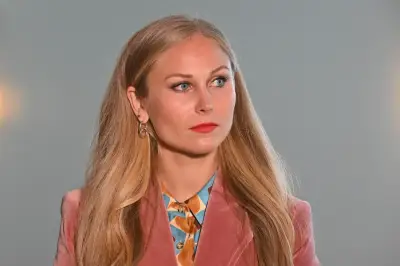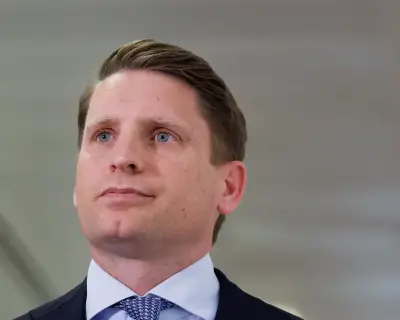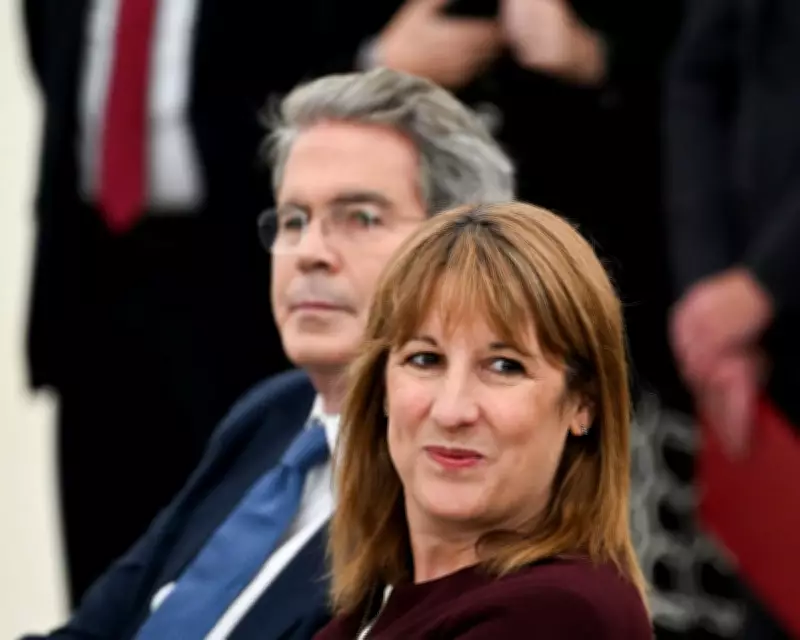
UK Chancellor Rachel Reeves and US Treasury Secretary Scott Bessent had a heated argument in person over the war in Iran during the spring meetings of the International Monetary Fund in Washington last month, according to sources briefed on the exchange. The confrontation, first reported by the Financial Times, marks the latest sign of deepening tensions between the United States and the United Kingdom.
The row centered on Reeves' public criticisms of the Iran conflict, which she made before the meetings began, triggering an angry backlash from some in the Trump administration. Reeves told the Mirror on 14 April that she felt "very frustrated and angry that the US went into this war without a clear exit plan," calling the war a "folly." She then traveled to the US, where she told CNBC that the goals of the war had "never been clear" and that she was "not convinced this conflict has made the world a safer place."
According to those briefed on her meetings, Bessent upbraided her over the comments during an in-person meeting on 15 April, including invoking the threat of an Iranian nuclear attack on Britain. He is understood to have made comments along the lines of those he made to the BBC a day earlier, when he responded to concerns about the war's economic fallout by saying: "I wonder what the hit to global GDP would be if a nuclear weapon hit London."

Reeves responded by telling the treasury secretary she was not his employee and did not like his tone. One UK official said: "Reeves was as direct in private with Bessent about her views on the Iran [war] as she was in public." Downing Street said on Tuesday: "The chancellor and the US treasury secretary have a good relationship. They have had constructive conversations together since the chancellor's visits to Washington."
British government sources also pointed to a US treasury readout of the meeting, which stated: "During their discussion, Secretary Bessent underscored the US treasury's commitment to Economic Fury, leveraging all tools and authorities against those who continue to support Iran's terrorist activities."
The war in Iran has created arguably the biggest divide between the US and UK since the Suez crisis of 1956. Having gone to great lengths to keep Trump on side in the early months of his premiership, Prime Minister Keir Starmer has taken an increasingly outspoken position against the president's foreign policy. At a meeting of the European Political Community in Armenia this weekend, Starmer said: "We cannot deny that some of the alliances that we have come to rely on are not in the place we would want them to be."
With transatlantic tensions high, President Trump has in recent weeks threatened to unpick a trade deal that has already been agreed, impose fresh tariffs in response to the UK's digital services tax, and recognize Argentinian control of the Falkland Islands. However, he struck a more conciliatory note last month during the visit of King Charles and the Queen to the US, including announcing an end to tariffs on scotch whisky. "The king and queen got me to do something nobody else was able to do, without hardly even asking!" the president posted on his Truth Social platform.