Prince Harry's Legal Fight Against Press Invasion Reaches Climax in Court
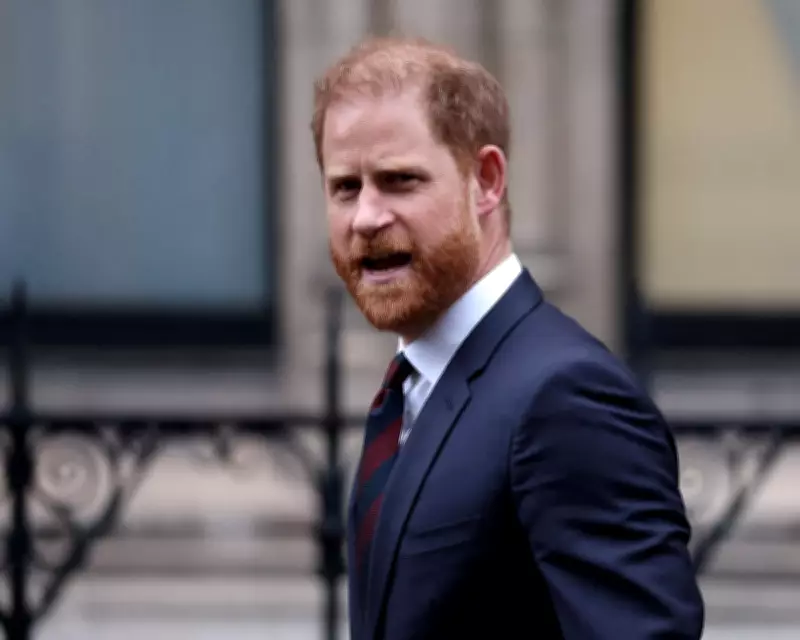
The high-profile trial involving Prince Harry and several celebrities against Associated Newspapers Ltd (ANL), publisher of the Daily Mail and Mail on Sunday, has drawn to a close after 10 intense weeks in court 76 at the Royal Courts of Justice. This case is widely regarded as the final major legal battle in Prince Harry's ongoing campaign against press intrusion, marking a significant moment in media accountability.
Emotional Testimonies and Allegations of Unlawful Tactics
Throughout the trial, claimants including Prince Harry, Elton John, David Furnish, Sadie Frost, Elizabeth Hurley, Doreen Lawrence, and Simon Hughes presented compelling evidence of alleged unlawful information-gathering practices. These accusations extended beyond phone hacking to include landline tapping and bugging of celebrity residences, painting a disturbing picture of media overreach. ANL has consistently denied all claims, setting the stage for a contentious legal showdown.
Prince Harry's testimony was particularly emotional, with the Duke of Sussex struggling to hold back tears as he accused the Mail of making his wife's life "an absolute misery." Other claimants, such as Elizabeth Hurley and Sadie Frost, also broke down while recounting stories that they claimed had unfairly targeted their personal lives, highlighting the profound impact of press coverage on their well-being.

Key Moments and Dramatic Twists in the Trial
The trial was marked by several dramatic developments, including the testimony of private investigator Gavin Burrows. Initially, Burrows appeared to admit to illegal activities in a 2021 witness statement, but he later claimed it was a forgery and denied any wrongdoing for ANL. His evidence, given from a secret location abroad, became a focal point of the case, with claimants alleging he switched sides after a falling out with researcher Graham Johnson.
Allegations of "blagging" – obtaining information through deception – were also scrutinized. For instance, notes from former Mail on Sunday journalist Katie Nicholl contained detailed information about Sadie Frost's ectopic pregnancy, which Frost's lawyers claimed was sourced via a private investigator. Similarly, flight details for Prince Harry's former girlfriend, Chelsy Davy, were allegedly blagged, though Daily Mail royal editor Rebecca English stated the information was not acted upon.
Defense Arguments and Counter-Claims
ANL's defense centered on legitimate sources for their stories, pointing to leaky social circles, publicists, and prior reporting. Former Daily Mail editor Paul Dacre testified that a story about the Stephen Lawrence murder inquiry came from then-Home Secretary Jack Straw, an old university friend. The publisher's lawyers also argued that the legal action was part of a long-running plan by the Hacked Off campaign group, referencing a 2016 memo called Operation Bluebird, which they claimed outlined a strategy to sue the Mail titles.
Payments to witnesses were another contentious issue, with ANL highlighting that key figures like Burrows and Christine Hart received funds from sources linked to the claimants. However, researcher Graham Johnson maintained that payments were for journalistic purposes, not testimony. The trial concluded with David Sherborne, lead barrister for the claimants, using an analogy of a rare watch disappearing from a safe to argue for a shift in the burden of proof, though Judge Mr Justice Nicklin questioned this approach.
Timing and Missing Documents
ANL emphasized that the allegations often referred to articles decades old, leading to gaps in evidence due to missing notebooks, emails, and call data. They argued that time limits on legal action made the case unfair, as memories had faded and documents were no longer available. The publisher contended that the claimants should have brought their case earlier, and the court should rule it too late.
With the trial now ended, a verdict is expected in the coming months, potentially shaping future press regulations and privacy laws. This case underscores the ongoing tension between media freedom and individual privacy, with Prince Harry's legal fight serving as a landmark in the broader discourse on press ethics.