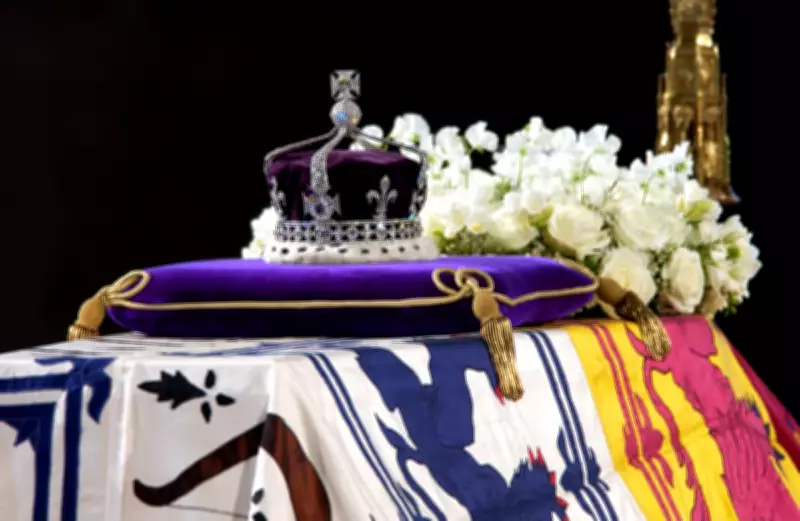
The Koh-i-Noor diamond, mounted in the crown of Queen Elizabeth the Queen Mother, has once again become a source of controversy after New York City Mayor Zohran Mamdani suggested that King Charles III should return it to India. The diamond, which originated in southern India, has a history marked by violence and colonial plunder, passing through the hands of Mughal emperors, Persian invaders, Sikh kings, and eventually the British East India Company.
Mamdani's Remarks Spark Debate
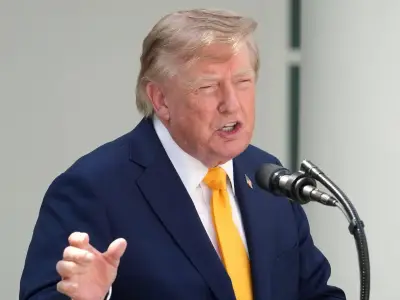
During a press conference ahead of King Charles III's visit to New York, Mamdani was asked what he would discuss with the monarch. He replied that he would encourage the king to return the Koh-i-Noor diamond. The comments drew criticism from the New York Post, which labeled them as rude and lacking maturity. However, in India, Mamdani's remarks were widely celebrated, reinvigorating calls for the gem's repatriation.
Historical Context of the Koh-i-Noor
The diamond's history is fraught with conflict. It was looted from the Mughal peacock throne by Persian ruler Nader Shah, who named it Koh-i-Noor, meaning "mountain of light." After his assassination, it passed through Afghanistan and back to India, eventually coming into the possession of Sikh ruler Ranjit Singh. Following his death, the British East India Company forced his young heir, Duleep Singh, to surrender the diamond under the Treaty of Lahore in 1849. Critics argue this was done under duress.

Symbol of Colonial Loot
Historian William Dalrymple, co-author of a book on the diamond, described it as a "pocket-sized symbol of colonial loot and plunder." He noted that the British mythologized the diamond as a symbol of empire, despite its troubled past. The diamond was presented to Queen Victoria, recut to European tastes, and set into the crown jewels. It has since been worn only by British queens, not kings.
Ongoing Repatriation Claims
Since Indian independence in 1947, successive Indian governments have requested the return of the Koh-i-Noor, but British governments have refused, citing the formal treaty. In 2010, then-Prime Minister David Cameron argued that returning it would lead to an "empty British museum." However, the diamond was notably absent from King Charles III's coronation, seen as a tacit acknowledgment of its controversial status.
Complicating matters, other countries including Pakistan, Bangladesh, Afghanistan, and even the Taliban have also laid claim to the diamond. Historian Audrey Truschke noted that it is unclear to whom the British should return it, highlighting the complexity of undoing colonial harms.
Future Diplomatic Implications
Dalrymple suggested that the diamond could become a major diplomatic issue in future relations between India and the UK. As Britain increasingly seeks Indian goodwill, the Koh-i-Noor may serve as a bargaining chip. For now, the debate continues, with the diamond remaining a potent symbol of colonial history.