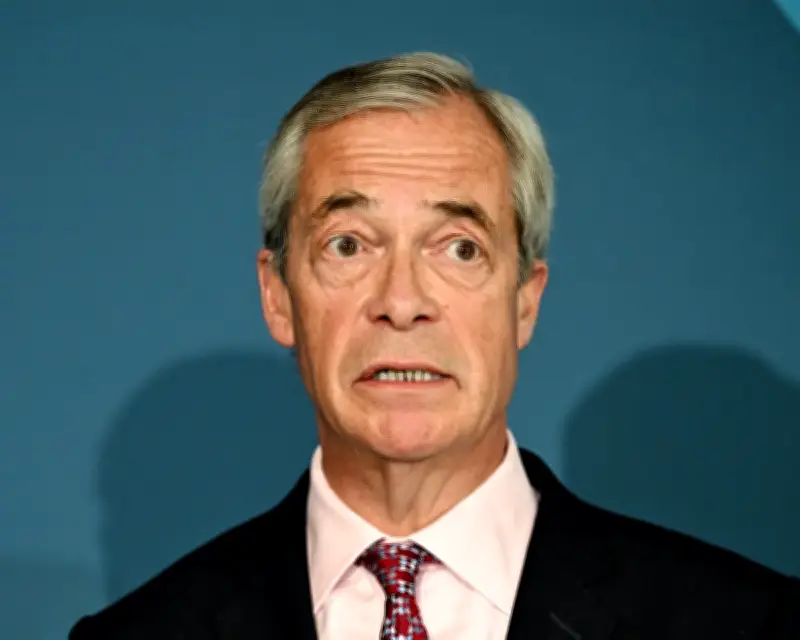
Nigel Farage, leader of the right-wing Reform UK party, is facing renewed media scrutiny over his personal funding, this time involving support from convicted criminal George Cottrell. The revelation comes just months after the Guardian reported Farage received £5 million as a personal gift from cryptocurrency billionaire Christopher Harborne. Farage insists he is the victim of an "establishment plot" to prevent him from reaching Downing Street.
Farage's response: claims of a 'witch-hunt'
Farage and his allies, including former donor Arron Banks and deputy leader Richard Tice, have accused shadowy actors and political opponents of orchestrating a conspiracy against him. Andy Wigmore, an associate from Farage's Brexit campaign days and now on the board of his anti-World Health Organization pressure group, dismissed the news as "an old story and irrelevant." Wigmore claimed the public does not trust the "media witch-hunt against Farage," drawing parallels to Donald Trump's playbook.
This tactic of labeling legitimate journalism as a "plot" or "witch-hunt" mirrors Trump's strategy during his first presidency. Farage has used similar language since at least 2014, when newspapers questioned his expenses and funding from the EU while he was a member of the European Parliament.

History of financial controversies
Farage's approach to declaring donations and interests has been repeatedly questioned. While an MEP, his pay was docked in 2018 for misspending European Parliament funds. A committee later investigated his failure to declare support from Banks. In the last two years alone, Farage apologized for 17 breaches of the MPs' code of conduct after failing to declare £380,000 of income on time.
Farage has even claimed journalists investigating his funding from Cottrell were "Labour stooges," despite them working for the right-leaning Sunday Times, which has published exposés on politicians from both sides. Analysts suggest Farage is reluctant to be open about funding sources, having been bankrolled by wealthy benefactors from Banks during Brexit to Harborne and Cottrell more recently.
Potential political fallout
Farage now faces a standards investigation over the £5 million Harborne gift and potentially another over Cottrell's funding. He argues "no one cares," especially Reform voters tired of the status quo. However, some within Reform worry this could be a turning point, similar to how Boris Johnson's popularity waned after the Partygate scandal.
The impression that Farage understands the cost-of-living struggles of ordinary people is undermined by his willingness to let others pay his bills. If found to have broken rules, the standards watchdog could suspend him from parliament, potentially triggering a recall petition and a byelection in his Clacton constituency. This would test whether Reform voters are concerned by Farage's funding issues.
The question remains whether Farage has the stamina for a prolonged battle, with another three years of sustained questioning about his finances before the next general election.