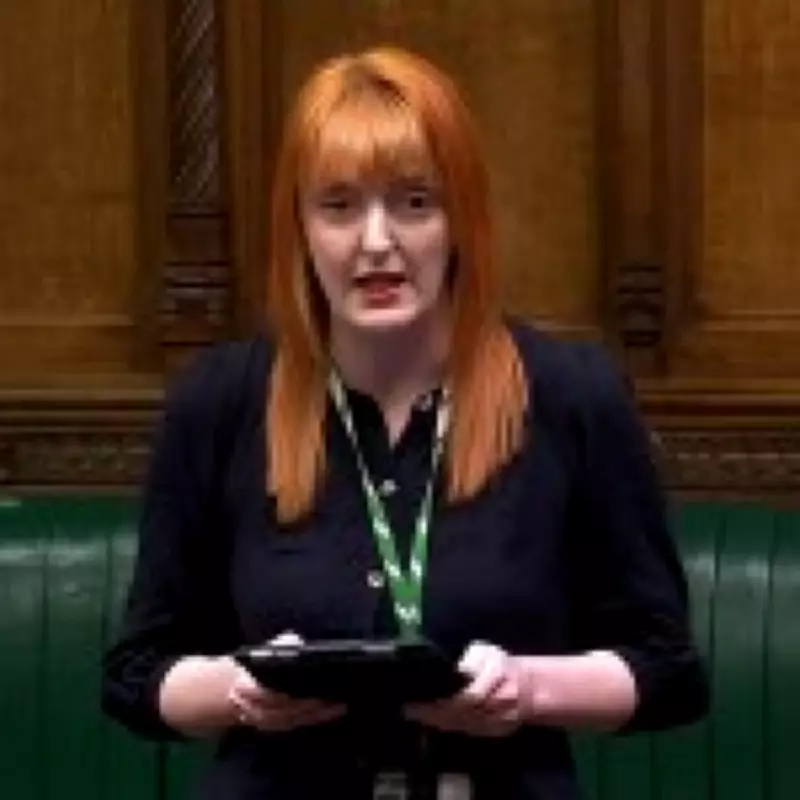
Labour MP Breaks Silence on Rape Ordeal and 1,088-Day Court Wait
Labour MP Charlotte Nichols has publicly revealed she was raped and endured an agonizing wait of more than 1,000 days for her case to reach trial, only for her attacker to be acquitted. In a powerful Commons speech during a debate on the controversial Courts and Tribunals Bill, the Warrington North MP waived her anonymity to accuse the government of "weaponising" survivors' experiences to drive through plans that limit jury trials.
"Every Single Day Was Agony"
Ms Nichols told Parliament: "I waited 1,088 days to go to court. Every single one of those days was agony, made worse by having a role in public life that meant that the mental health consequences of my trauma were played out in public." She revealed the trauma led to her being sectioned for her own safety, an event that still attracts social media abuse from strangers.
"The event that led to my eventual sectioning for my own safety is still something that I receive regular social media abuse from strangers about to this day," she added, highlighting the additional burdens faced by survivors in public life.

Government Accused of "Rhetorical Misdirection"
The MP strongly criticized the government's approach to court reform, stating: "In this debate, experiences like mine feel like they've been weaponised and are being used for rhetorical misdirection for what this Bill actually is."
She challenged the government's framing of the legislation: "We have been told that if we have concerns about this Bill, it is because we have not been raped or because we don't care enough for rape victims. The opposite is true in my case - it is because I have been raped that I am as passionate as I am about what it means for a justice system to be truly victim-focused."
Controversial Court Reforms
The Courts and Tribunals Bill, which passed its second reading by 304 votes to 203, would see cases with likely sentences of three years or less heard by a single crown court judge rather than a jury. Additionally, magistrates' courts would handle cases with likely sentences of up to two years.
Justice Secretary David Lammy defended the proposals during the debate, warning MPs of a "stark" choice and arguing that "we cannot continue with this rising backlog." He stated: "Victims are currently worn down, people simply give up, cases collapse and offenders remain free. Free to roam the streets, free to commit more crimes, free to create more victims."
"Pitting Survivors Against Defendants"
Ms Nichols expressed deep concern about the government's approach: "The government's framing and narrative has been to pit survivors and defendants against each other in a way I think is deeply damaging."
She emphasized her unique perspective: "It is because I have endured every indignity that our broken criminal justice system could mete out that I care what kind of reform will actually deliver justice for survivors and victims of crime more widely."
Calls for Genuine Victim-Focused Reform
The MP pointed to alternative approaches, noting: "There is so much that we can be doing for rape victims that isn't the Lord Chancellor using them as a cudgel to drive through reforms that aren't directly relevant to them."
She referenced Rape Crisis England and Wales' "Living in Limbo" report, which outlines five key demands for improving the justice system for rape survivors. "Don't say that this Bill helps deliver justice for rape victims until it actually, materially does," she challenged the government.
Parliamentary Division and Concerns
The vote revealed significant division, with ten Labour MPs voting against the Bill and ninety having no vote recorded according to parliamentary data. Justice Minister Sarah Sackman acknowledged during the debate that there was consensus in Parliament about court backlogs representing an "injustice."
Ms Sackman defended the government's approach: "When politics is about choices, this side of the House and this Government we choose modernisation over tradition, we choose investment over crime, and we choose to put victims and communities first in a transformed, modernised justice system."

Broader Context of Violence Against Women
The revelation comes amid ongoing concerns about violence against women in the UK. In November 2024, Metro launched its "This Is Not Right" campaign in partnership with Women's Aid to address what it described as "the relentless epidemic of violence against women."
Ms Nichols' powerful testimony adds to growing calls for genuine, victim-focused reform of the criminal justice system, particularly regarding sexual violence cases that currently face extensive delays and low conviction rates.