Security vetting for MPs' bodyguards has been strengthened after a security company assigned a guard with far-right connections to protect a politician facing extremist threats. Mitie, which holds a £31 million contract for providing close protection officers, has updated its vetting processes to include regular social media checks. Random checks on existing officers' social media activity will also be conducted.
Rising Threat Levels
Concerns about threats to MPs from extremists, including Islamists and the far right, have escalated. Elected representatives now face a level of danger not seen since the Irish republican terrorist campaigns of the 1970s and 1980s. The murder of Conservative MP David Amess by an Islamist terrorist in 2021, following the killing of Labour MP Jo Cox by a far-right extremist in 2016, underscored the growing peril.
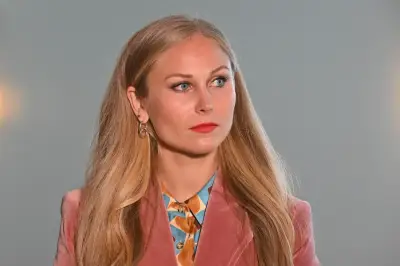
Harassment and crimes against MPs have reached record levels, with cases doubling in two years to nearly 1,000 annually as of March, according to the latest figures. Green MP Hannah Spencer required a police escort after being targeted by men who disrupted a protest against the far right.

Mitie's Response
After MPs privately raised concerns, a Mitie spokesperson stated: "Our priority is the safety of the people under our protection, and we hold our close protection officers to the highest standards. If those standards are not upheld, we take appropriate action as soon as practicable." All close protection officers hold Security Industry Authority licences, the mandatory requirement for security roles. Social media checks were already part of the vetting process, but Mitie tightened these procedures earlier this month.
Impact on Democracy
Last month, a minister told parliament that threats against female MPs were having a "chilling effect" on women considering political careers. This week, a 42-year-old man from Blackpool received a 12-month restraining order and a £120 fine for disrupting a jobs fair organized by Labour MP Chris Webb. Webb noted that the case was not isolated, as he has faced "a barrage of constant threats, including death threats" from the far right since winning a byelection in 2024.
"This escalation is not simply about the safety of MPs – it represents a serious and growing threat to the health of our democracy," Webb said. "Attempts to intimidate or silence those in public service are an attack on the rights and freedoms that underpin our political system. We must do more to ensure the safety and security of MPs and their families, or we risk further tragedies."
Government Action
Security Minister Dan Jarvis, who chairs the Defending Democracy taskforce, stated: "The volume, breadth and tempo of threats against elected representatives is unprecedented." He noted that MI5's director general had discussed the issue with political party leaders, highlighting a "grim reality of assaults, vandalism, stalking, blockading and a blizzard of online abuse" affecting families as well. "Women and ethnic minority representatives report the highest volumes of abuse, including overtly sexualised and racially charged threats, which have a chilling effect on who feels able to stand for public office," Jarvis added.
MPs raise security concerns with the Speaker's office, which coordinates with the parliamentary security department established in 2016. A review of security measures for MPs was commissioned after Amess's murder in 2021, leading to enhanced security for constituency surgeries and events, as well as security training.
A spokesperson for the parliamentary authorities said: "The ability for members and their staff to perform their parliamentary duties safely, both on and off the estate, is fundamental to our democracy. Abuse and intimidation is completely unacceptable."