Ghislaine Maxwell's Clemency Bid: A Controversial Offer for Freedom
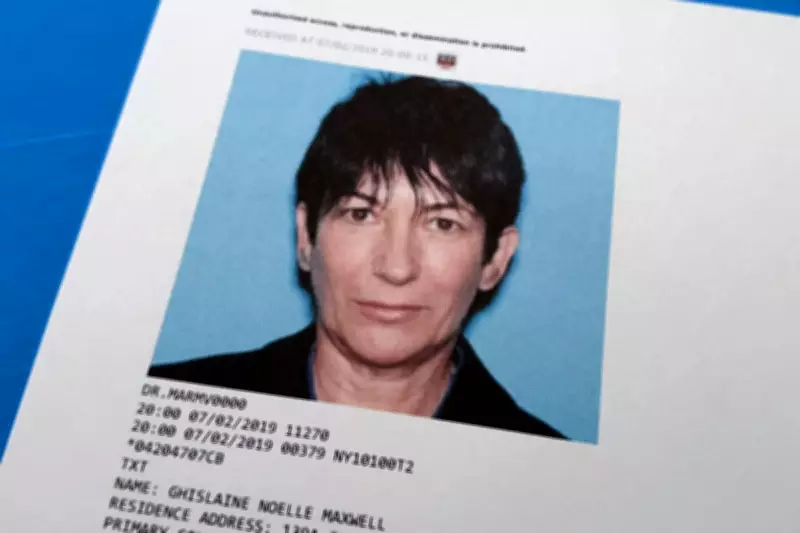
A photo of Ghislaine Maxwell from documents released by the justice department has resurfaced as she makes a bold clemency pitch. Maxwell, convicted for aiding Jeffrey Epstein in sex trafficking, recently refused to testify before Congress but offered to disclose the "unfiltered truth" if granted clemency by President Trump.
Maxwell's Proposal and Legal Backlash
Through her attorney, David Oskar Marcus, Maxwell stated she is prepared to speak fully and honestly only if freed from jail. She claimed, for example, that both President Trump and President Clinton are innocent, asserting she alone can explain why. While Trump's team denies considering clemency, the offer has ignited discussions on potential presidential pardons or sentence commutations.
Legal experts question Maxwell's motivations and credibility. RJ Drelling, a defense attorney and former prosecutor, noted that trading information for freedom undermines her reliability. He described it as a "game of chess" where Maxwell implies she could help or harm the administration based on their actions.

Ethical and Practical Concerns
Neama Rahmani, founder of West Coast Trial Lawyers, called Maxwell's proposal "distasteful" and "shameful," though not unlawful. He highlighted that with her Supreme Court petition denied, clemency might be her easiest escape from decades in prison. However, Eric Faddis, a defense attorney, pointed out there is no legal mechanism to enforce conditions on presidential clemency, raising doubts about any guarantees of full disclosure.
Attorneys for Epstein's victims have condemned the offer. Spencer Kuvin of Goldlaw labeled it as leverage from a convicted sex trafficker with a history of deception. Jennifer Freeman of Marsh Law Firm echoed this, stating Maxwell's statements are untrustworthy and designed to conceal her wrongdoings, potentially thwarting justice for survivors.
Alternative Paths to Truth
John Day, a defense attorney, argued that truth should come from victim statements and unredacted documents, not Maxwell's "corrupt" information. He urged focusing on who is protecting powerful figures through redactions, rather than believing Maxwell's "story up for sale."
White House press secretary Karoline Leavitt indicated clemency for Maxwell is not a priority for President Trump, who has denied any wrongdoing related to Epstein. The ongoing debate underscores the complex interplay between legal strategy, political implications, and the pursuit of justice in high-profile cases.