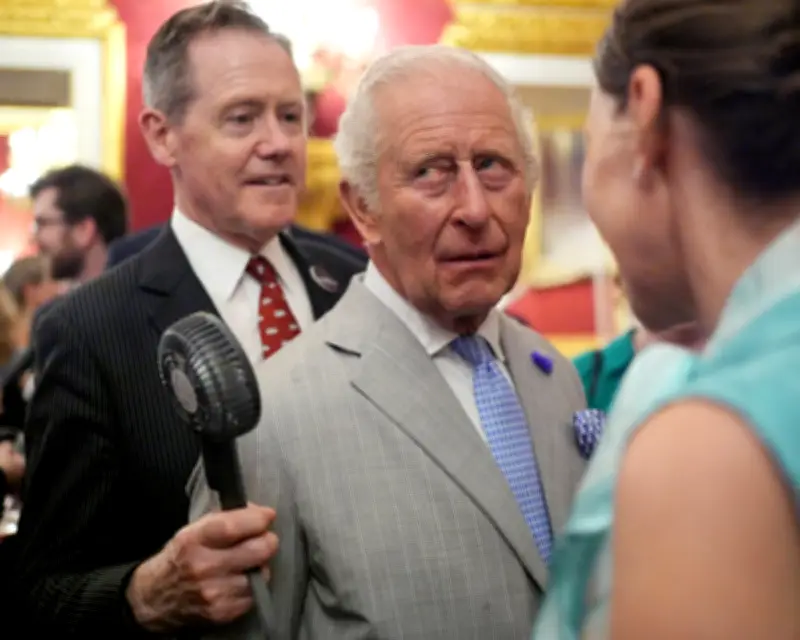
King Charles has become the first British monarch in modern times to disclose how much tax he pays on his private income: £24.6 million over the past two years. However, critics argue this is not a victory for transparency but a move to keep royal finances shrouded in secrecy.
Obfuscation rather than openness
The monarch has stated he paid millions in tax, but has not revealed the income, gains, or deductions behind the bill. The royals are funded by taking a cut of crown estate profits—public money that would otherwise go to the Treasury. That amount is decided by three royal trustees: the prime minister, the chancellor, and the keeper of the privy purse.
Scandal forces minimal concessions
The royals have been forced into making the smallest of concessions over their wealth due to the scandal involving the king's brother, Andrew Mountbatten-Windsor, and the late sex offender financier Jeffrey Epstein. This scandal led MPs to drop their self-imposed gag on discussing constitutional monarchy and begin an investigation into properties leased at cheap rates to the royal family.

Decades of obscured scrutiny
The palace has obscured scrutiny over the royals' public and private sources of wealth for decades. The Windsors insist their duchy income, estimated to be worth more than £1 billion over the past 70 years, is “private”. The taxpayer’s contribution is also weighted in their favour. This year, the sovereign grant gives the king 12% of crown estate profits: £132 million now, rising to £138 million next year. From 2027-28, the rate jumps to 20.5%, supposedly because the windfall from leasing the seabed for offshore green energy will have faded.
Accountability to parliament
One key issue is accountability to parliament. In 2011, Tory prime minister David Cameron replaced a recurring act of scrutiny by MPs with an automatic claim on profits from a publicly owned estate. What had been a periodic parliamentary reckoning became, in Mr Cameron's words, “a generous settlement”. Since then, there has been no effective check preventing the royal household’s resources from quietly expanding. Critics call for a regular Commons debate to restore proper oversight.
The tax question
Historically, Queen Victoria paid tax on her civil list cash from the Treasury, her revenues from the Duchy of Lancaster, and any private income. Her heirs negotiated exemptions, meaning that by World War II, King George VI was paying almost no tax. In 1992, the monarchy partially retreated when public anger made that position unsustainable. Queen Elizabeth II did not embrace taxation as a civic duty; it was crisis management after royal scandals, recession-era resentment, and fury that the public might have to pay for repairs to Windsor Castle.
The same idea seems to be behind the latest announcement as the public fumes at rising costs of essentials and seethes at the disgraceful behaviour of Mr Mountbatten-Windsor. The issue is not whether the monarchy pays some tax. It is whether a family sitting on vast personal wealth should enjoy substantial public funding, opaque private income, and state-financed renovation works all at once.