Iranian Authorities Detain Senior Reformist Figures in Sweeping Crackdown
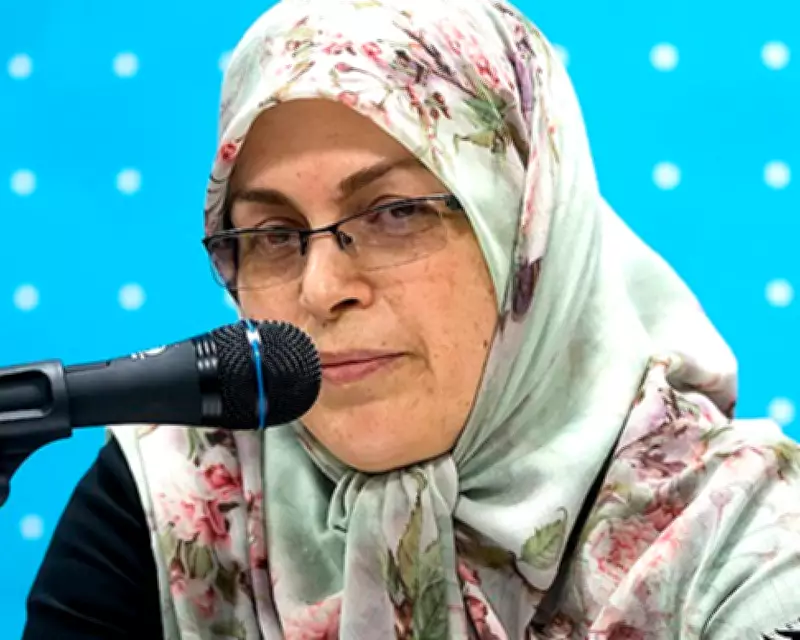
In a significant escalation of political tensions, Iran's Islamic Revolutionary Guards Corps has arrested several leading reformist figures, including Azar Mansouri, the secretary general of the Islamic Iran People party. This move follows public statements expressing sorrow over protester deaths and criticism of the authorities' handling of recent street demonstrations.
Key Arrests Target Reformist Front Leadership
The arrests represent a decisive roundup of prominent reformist voices outside government circles. Alongside Mansouri, authorities detained Ebrahim Asgharzadeh, head of the Reformists Front's political committee, and Mohsen Aminzadeh, a former deputy foreign minister under President Mohammad Khatami. At least two other prominent figures from the Reformists Front, an umbrella group encompassing up to 27 reformist factions, have been ordered to report to police stations this week.
These actions appear strategically designed to suppress criticism of security forces' conduct during recent protests. The official government death toll stands at 3,000, though independent estimates suggest substantially higher figures.

Controversial Statements Prompt Severe Response
Mansouri's arrest followed her powerful declaration expressing "disgust and anger toward those who, ruthlessly and recklessly, dragged the youth of this land into earth and blood." She emphasized that "no power, no justification and no time can sanitise this great catastrophe," while notably avoiding calls for Supreme Leader Ali Khamenei's resignation or endorsing foreign intervention.
Tehran prosecutors accused those detained of "justifying the actions of terrorists' infantry" and alleged collaboration with the United States and Israel. Further charges included "targeting national unity, opposing the constitution, promoting surrender, perverting political groups and creating secret subversive mechanisms."
Judicial Justification and Wider Crackdown
Gholam-Hossein Mohseni-Ejei, head of Iran's judiciary, defended the unprecedented crackdown, stating that "those who issue statements against the Islamic Republic from within are in agreement with the Zionist regime and America." He described statement issuers as "wretched and miserable" and warned they would "suffer losses."
This crackdown extends beyond political figures to human rights defenders. Four activists who signed a statement demanding a "free, transparent referendum" for a new democratic government have been arrested, including Vida Rabbani, Abdollah Momeni, Mehdi Mahmoudian, and Dr Ghorban Behzadian-Nejad, a senior adviser to reformist leader Mir-Hossein Mousavi.
Political Implications and International Context
The arrests highlight President Masoud Pezeshkian's limited influence over key decision-makers, despite his electoral victory in June 2024 with 16.4 million votes against rival Saeed Jalili's 13.5 million. Although Pezeshkian established an inquiry into the protests, it remains unlikely to criticise the Revolutionary Guards, and his silence regarding his supporters' arrests underscores his constrained authority.
Simultaneously, Nobel Peace Prize winner Narges Mohammadi received an additional seven-year prison sentence, having been arrested 59 days prior. She was briefly permitted to speak with her lawyer, revealing she had been transferred to hospital but returned to jail before completing treatment.
Internationally, Israeli Prime Minister Benjamin Netanyahu has accelerated a Washington trip to lobby President Trump regarding Iran's missile programme. Ongoing talks in Muscat mediated by Oman focus on Iran's nuclear programme, a position causing concern among Israeli officials and some Republican party members.