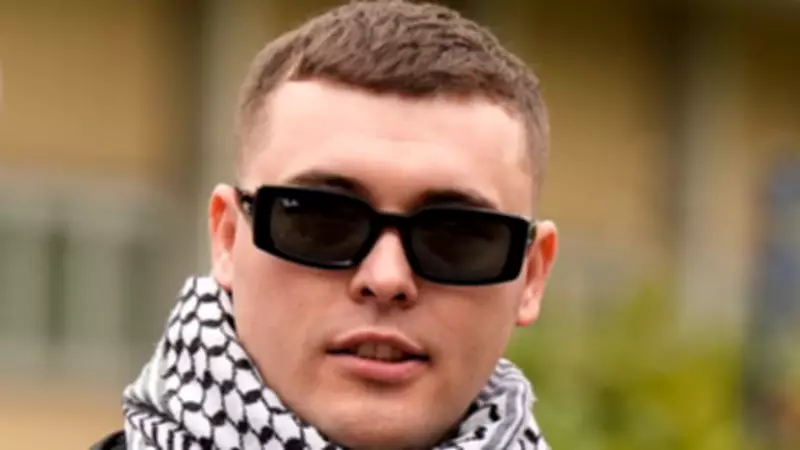
In a significant legal ruling, the High Court has rejected an appeal by the Crown Prosecution Service to reinstate terrorism charges against Liam Og O hAnnaidh, a member of the Belfast rap group Kneecap. The decision upholds a previous dismissal of the case on technical grounds, marking a pivotal moment in the ongoing legal proceedings.
Background of the Case
Liam Og O hAnnaidh, who performs under the stage name Mo Chara, was charged in May 2025 with allegedly displaying a flag in support of Hezbollah, a proscribed terrorist group, during a concert in London on November 21, 2024. The incident sparked controversy and led to his initial court appearance in June 2025, followed by a second hearing in August.
Legal Grounds for Dismissal
Last September, Chief Magistrate Paul Goldspring dismissed the case at Woolwich Crown Court, declaring the charge "unlawful" and stating he had no jurisdiction to try it. Prosecutors appealed this decision, arguing for a new trial, but the High Court has now upheld the original ruling.

In a remote ruling delivered on Wednesday afternoon, Lord Justice Edis, alongside Mr Justice Linden, emphasized that the magistrate was correct in his assessment. The judges noted that the charge fell outside the six-month timeframe required for bringing criminal charges in such offences, as permission from the attorney general was obtained a day late, on May 22, 2025, instead of the necessary date of May 21.
Implications of the Ruling
The High Court clarified that O hAnnaidh has not been convicted or acquitted, but the procedural errors rendered the case invalid. This outcome highlights the importance of strict adherence to legal timelines and jurisdictional protocols in terrorism prosecutions.
O hAnnaidh's legal team had argued that prosecutors failed to secure timely authorization, a point that proved decisive in the court's decision. The ruling underscores the complexities of legal procedures in high-profile cases involving alleged terror offences.
Reactions and Future Steps
As the case concludes, it raises questions about the handling of similar prosecutions in the future. The decision may influence how authorities approach charges related to symbolic displays at public events, particularly in the context of free expression and security concerns.
This development is part of a broader narrative involving Kneecap, a group known for its politically charged music, and adds to ongoing debates about the intersection of art, law, and terrorism in modern society.