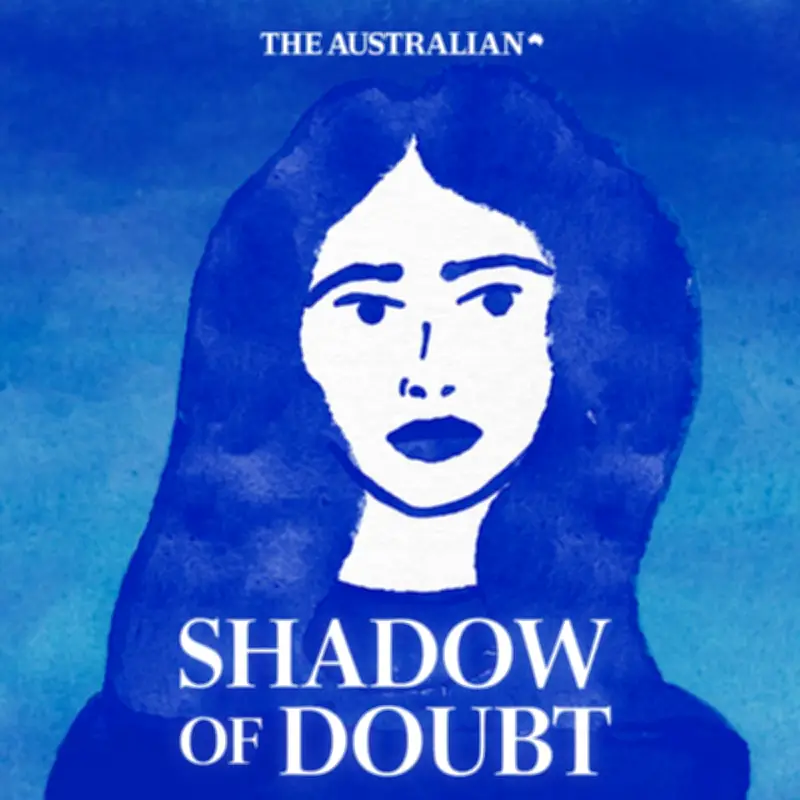
Journalist Richard Guilliatt has resigned from the Walkley awards judging board after the Walkley Foundation dismissed complaints about his podcast and awarded a prize to a journalist whose reports were critical of him.
Resignation Over Prize Decision
Guilliatt stepped down on June 26, following the foundation's decision to award a mid-year Walkley for freelance journalist of the year to Nina Funnell. Funnell won for a series of three articles in news.com.au about a sexual assault survivor abused by her parents for 14 years. The articles alleged that Guilliatt's podcast, Shadow of Doubt, devastated the survivor by interviewing her parents in jail and suggesting the case could be a "grave miscarriage of justice."
Complaints and Defense
Complaints submitted by readers of Funnell's reporting claimed the podcast accessed the survivor's counselling notes and presented an "extremely biased" view, described as a "gutter podcast." Walkley Foundation CEO Shona Martyn told complainants the board could not make editorial assessments about individual judges and took no action against Guilliatt. Guilliatt said he was pleased with the decision but resigned because he was "dismayed that the Walkley Foundation Mid-Year Media Prize judges have awarded a prize to the misleading media reports which precipitated the complaints against me."

Funnell's Response
Funnell rejected Guilliatt's claims of errors, stating, "We have not made any corrections, nor do we have any need to." Martyn confirmed the resignation but did not elaborate, saying Guilliatt "is no longer a member of the Walkley Judging Board having resigned last month."
Background of the Case
The resignation comes after the abuse survivor broke her silence, telling Funnell she was devastated that Guilliatt interviewed her parents despite her father receiving a record 48-year sentence, upheld to the high court. She said her privacy was shattered after The Australian accessed her sexual assault counselling notes subpoenaed for the trial. The Australian defended accessing the notes as public interest journalism. Guilliatt defended his podcast, writing that it "raised questions about the guilty verdict, about the reliability of Emily's memories, the adequacy of her mental health treatment and the police investigation." In April, Guardian Australia revealed Corrective Services NSW was investigating how Guilliatt interviewed the couple in jail. The 2023 eight-part podcast used pseudonyms and questioned the verdicts based on the argument that "no one noticed the abuse."