Greenland's Leader Emerges as Global Figure After Trump Confrontation
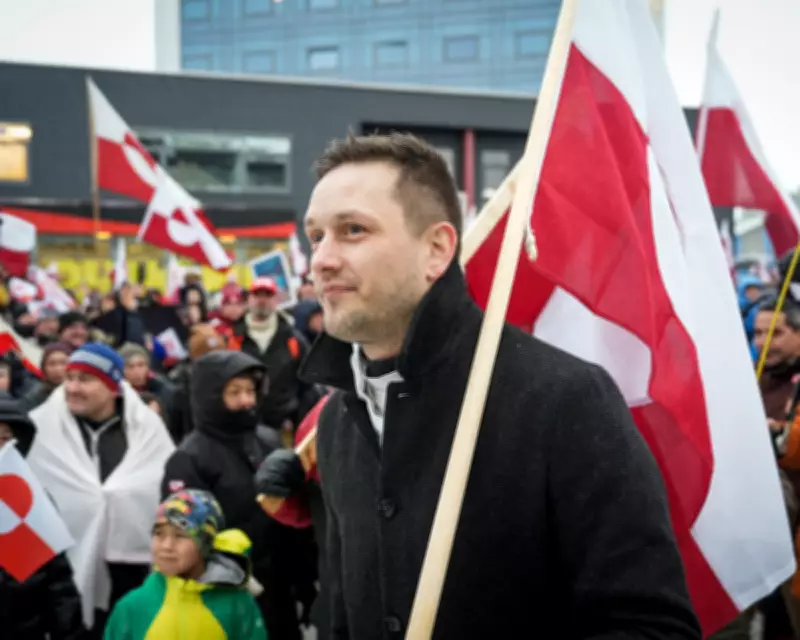
Greenland's Prime Minister, Jens-Frederik Nielsen, has transformed from a relatively obscure political figure into an internationally recognised leader following his firm response to former US President Donald Trump's attempts to acquire the autonomous Danish territory. The 34-year-old leader's handling of what became Europe's most significant geopolitical crisis since the Second World War has earned him widespread admiration both within Greenland and across the international community.
From Badminton Champion to Political Leader
Just one year ago, Nielsen was better known for his sporting achievements than his political career. For years he dominated Greenland's badminton scene, winning numerous singles and doubles championships and earning several medals at the Island Games. His competitive nature on the court proved to be valuable preparation for the political challenges that lay ahead.
Nielsen was sworn into office last April following a surprise election victory that occurred against the backdrop of Trump's repeated threats to purchase Greenland. The situation escalated dramatically this year when the former US president, fresh from his involvement in Venezuela's political crisis, reiterated his desire for Greenland and initially refused to rule out acquiring it by force.

A Defining Moment in Washington
The crucial turning point in Nielsen's handling of the rapidly developing crisis came in January, on the eve of a tense meeting in Washington DC with US Vice-President JD Vance. In a clear statement of principle, Nielsen declared: "If we have to choose between the US and Denmark here and now, we choose Denmark, Nato and the EU."
This decisive stance resonated powerfully with Greenlanders. Aqqaluk Lynge, a veteran of Greenlandic politics who co-founded the Inuit Ataqatigiit party, described it as the moment Greenlanders had been waiting for, expressing admiration for Nielsen's courage at such a young age.
Building International Relationships
Nielsen's straightforward communication style and clear messaging have impressed European leaders. Recently he was received by German Chancellor Friedrich Merz and French President Emmanuel Macron, standing alongside Danish Prime Minister Mette Frederiksen. In Paris, Nielsen stated pragmatically: "We have some red lines we cannot cross but, from a Greenlandic perspective, we will try to sort out some sort of agreement. We have been working with the US for many years now."
His good rapport with Frederiksen has been particularly valuable. A source close to Denmark's Foreign Office noted that Nielsen's comments about choosing Copenhagen over Washington were greatly appreciated, describing him as "a very well-liked figure" in Danish public opinion and praising his ability to handle pressure despite his youth.
Personal Background and Political Rise
Nielsen grew up in Nuuk, Greenland's capital, with a Greenlandic mother and Danish father. His bilingual abilities in both Greenlandic and Danish are said to help him understand both perspectives in the relationship between Greenland and its former colonial ruler. He has spoken about being bullied in school for looking Danish, but found his confidence on the badminton court.
His political ascent was rapid. After helping shape party direction as a consultant while studying social sciences at the University of Greenland, he became chair of the centre-right Democrats party in 2020 at just 28 years old. Following a brief period as minister of industry and mineral resources, he led his party to more than triple their seats in the Inatsisartut (Greenlandic parliament) last March, making them the largest party.
National Unity Against External Pressure
Weeks after the election victory, just hours before Vice-President Vance arrived at the US's Pituffik space base in Greenland, Nielsen and leaders of three other parties announced a broad four-party coalition government in a powerful display of national unity. The coalition agreement's first page contained a clear rebuke to Trump's threats, stating unequivocally: "Greenland belongs to us."

Despite his pragmatic approach to international relations, Nielsen has been candid about the emotional toll of the unprecedented situation. He has described Greenland as being "under pressure, serious pressure" and acknowledged that many Greenlanders feel "afraid and scared" about the territorial threats.
Widespread Recognition and Future Challenges
Aaja Chemnitz Larsen, a Greenlandic member of the Danish parliament who has known Nielsen since childhood, believes he is doing "an amazing job" on the global stage. She recognises the courage required for his actions, noting that as a young leader, he is gaining experience while managing one of the most significant challenges in Greenland's recent history.
Nielsen's transformation from badminton champion to respected international statesman demonstrates how crisis can propel leaders into the global spotlight. His handling of the Trump acquisition attempts has not only strengthened Greenland's position internationally but has also established him as a significant figure in Arctic geopolitics with a growing voice on the world stage.