Since last January, the Trump administration has deployed thousands of federal officers to several prominent Democratic-led US cities, marking an unprecedented escalation in immigration enforcement. The Department of Homeland Security (DHS) declared this the largest operation in its history, targeting interior enforcement with mass arrests and deportations that have sparked fear and controversy.
Key Agencies Involved
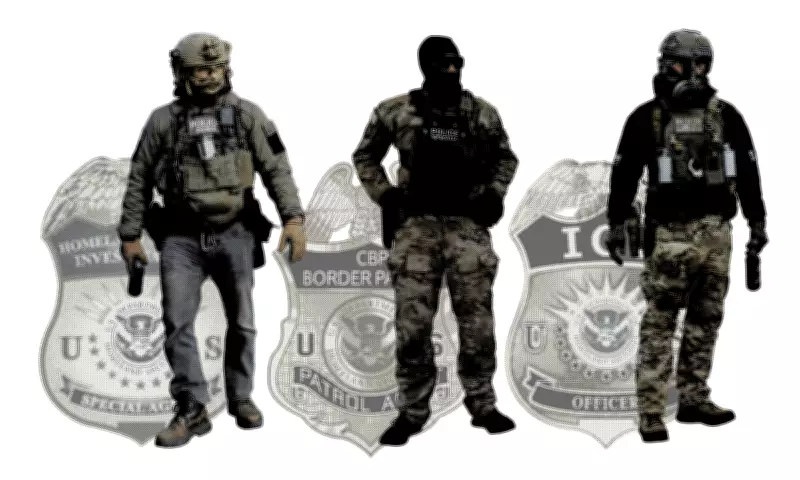
The crackdown involves multiple agencies, primarily under the DHS umbrella, including Immigration and Customs Enforcement (ICE) and Customs and Border Protection (CBP). These agencies have been joined by others like the FBI, DEA, and ATF, creating a complex web of enforcement.
Immigration and Customs Enforcement (ICE)
ICE is the primary driver of the crackdown, with its budget nearly tripled to $28.7 billion under the One Big Beautiful Bill Act. Its workforce doubled to 22,000 officers. ICE has two main enforcement branches: Enforcement and Removal Operations (ERO) and Homeland Security Investigations (HSI).

Enforcement and Removal Operations (ERO) focuses on deportations, historically relying on local police handoffs. Now, ERO conducts street-level arrests in public places, targeting undocumented immigrants with long ties to the US.
Homeland Security Investigations (HSI) traditionally handles complex crimes like trafficking, but has been reassigned to support deportation operations, appearing at raids alongside ERO.
Customs and Border Protection (CBP)
CBP officers, who typically staff legal ports of entry, now play support roles in interior enforcement. The Border Patrol, a CBP component, has become heavily involved in urban operations, using aggressive tactics despite limited authority beyond 100 miles from borders.
Other Federal Agencies
The Trump administration has drafted the FBI, DEA, ATF, US Marshals Service, Federal Bureau of Prisons, and Diplomatic Security Service into immigration enforcement. This multi-agency presence has led to confusion, with the Minnesota National Guard announcing it would wear reflective vests to distinguish its troops.
Local Police Involvement
Local law enforcement is divided. Some Republican-led jurisdictions cooperate via 287(g) agreements, while Democratic-led "sanctuary cities" limit cooperation, refusing ICE detainer requests. This has created friction, with federal agents operating against local leaders' wishes.
The crackdown has resulted in tear gas incidents, deaths, and widespread fear. Critics argue it violates due process, while supporters see it as necessary for national security. The visual guide above illustrates the agencies and their roles in this ongoing operation.