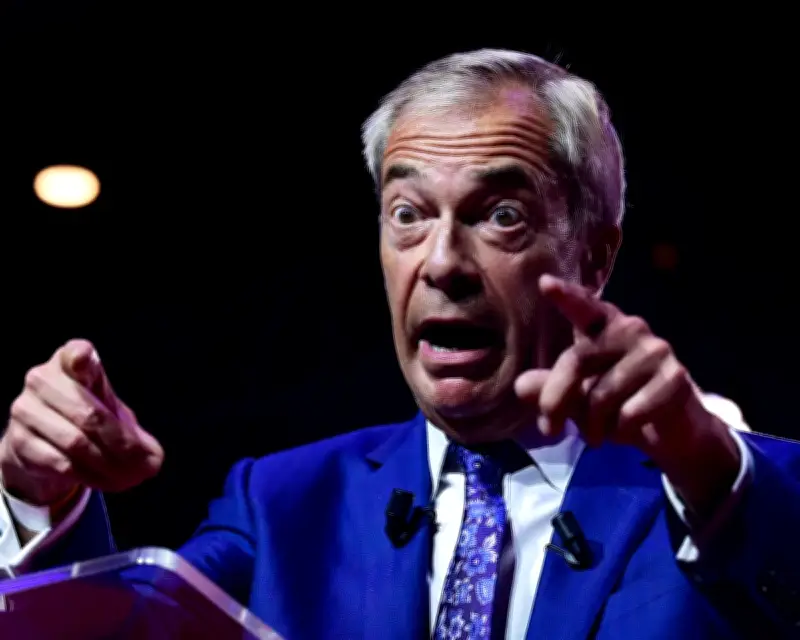
Nigel Farage, known for his ire against the liberal establishment, stunned even his close allies with a tirade directed at Tony Gallagher, the editor of the Times. The confrontation, which included an expletive, was triggered by Farage's outrage over a planned story about his houses, which he claimed endangered his family. A source described the encounter as ending in "a strong confrontation."
Fragile Media Relations for Reform UK
This clash comes at a delicate moment for Reform UK's relationship with Britain's rightwing media. Coverage of Farage and his byelection gamble has turned negative following questions about his funding and finances. The Times, Sun, Daily Telegraph, and Daily Mail have all published critical stories in recent days.
The Telegraph has given column inches to party figures to air grievances, but also described Farage's decision to run in the Clacton byelection as a "summer gamble" and a farce. Kemi Badenoch, the Conservative party chair, stated in its pages that the Tories are "for serious people, not a retirement home for failed politicians," a swipe at Reform.

Shift in Coverage from News UK
The Mail ran a positive interview with Farage but an editorial on the same day noted, "How quickly times – and political fortunes – can change. It is only weeks since Reform UK's rise appeared almost unstoppable. But two byelection defeats and concerns over leader Nigel Farage's financial affairs have significantly altered the landscape."
Last year, Farage was wooing News UK's leaders, attending their summer party and dining with Sun editor Victoria Newton. Reform's slogan "Britain is broken" even appeared on the Sun's front page. However, veteran Sun commentator Trevor Kavanagh recently wrote, "We are witnessing the sudden death of a political movement which began as the UK Independence party, morphed into the Brexit party, and now Reform. Or, to simply name names, Nigel Farage."
Dispute Over Property Story
Reform figures believe the Times should not have published a story with a picture of a property where one of Farage's children lives, citing the death of Ann Widdecombe to underline their argument. A senior News UK figure reportedly reached out to Farage for a meeting. A Times spokesperson said, "We stand by our journalism, and do not accept that the published photograph identified the location of any property or presented a security risk."
Farage's Leveson Reference Backfires
Farage's decision to raise the spectre of the Leveson inquiry, which examined press ethics and recommended stricter regulation, has angered rightwing media leaders. The timing was poor, as many celebrated the Mail's victory over litigants including Prince Harry, who failed in their lawsuit over alleged unlawful information-gathering. One senior editor said Farage had abandoned building broad support to appeal to his base, resulting in attacks on the press, calling it "straight out of Trump world."
Reform's Perspective
Figures within Reform are not surprised by the downturn in coverage, having battled the Conservative establishment for years. "We've seen this before," one said. "The rightwing press is always a fair-weather friend." While election endorsements are less potent now, Des Freedman, a professor at Goldsmiths, noted that right-leaning media ties to the Tories run deep. He said, "To the extent there was a honeymoon a year ago, I think that is much more fluid now. They're obsessed by Farage, but there's much more criticism because they see him as not quite a reliable ally."
Farage still receives supportive coverage from the Daily Express, the most Eurosceptic title. After the Sunday Times reported he was backed by convicted fraudster George Cottrell, Farage told the Express he was considering legal action, saying "the establishment will stop at nothing to hurt Reform." Should scepticism continue among other rightwing papers, it would dent Reform's ambitions for power.