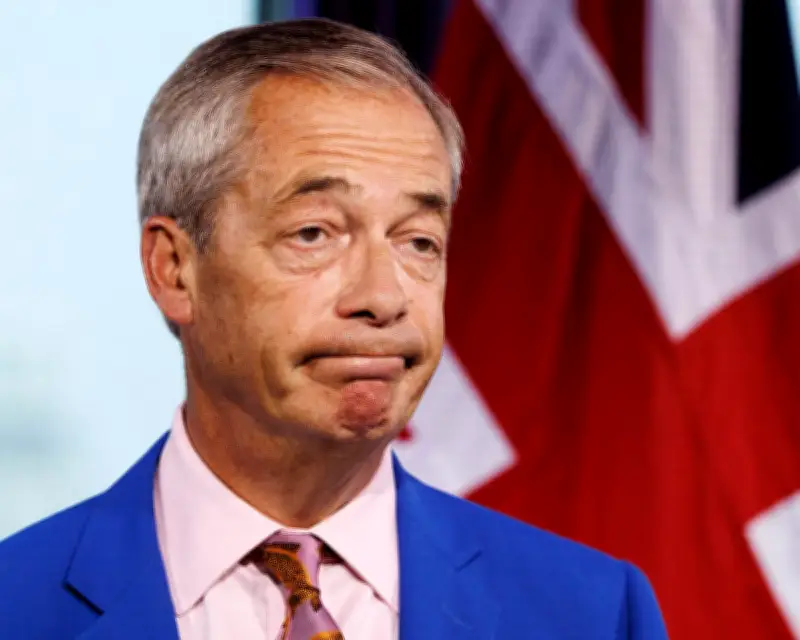
Nigel Farage has resigned as an MP, triggering a byelection in Clacton, in a move analysts say risks damaging his credibility. The Reform UK leader announced his resignation on 7 July in a 15-minute video address, which critics described as a self-pitying lament. The decision comes after the Guardian revealed he received an undeclared £5m gift from crypto billionaire Christopher Harborne.
Farage's gamble: byelection amid scrutiny
Farage won over 45% of the vote in Clacton in 2024, and the constituency is heavily Reform-friendly. All major parties—Labour, Conservatives, Liberal Democrats, Greens, and Restore Britain—have said they will not stand candidates, calling the byelection a stunt. This leaves Farage facing mainly novelty or fringe candidates, potentially making him appear foolish rather than a victim of establishment persecution.
In his statement, Farage listed complaints: being judged for accepting the "lottery win" of £5m, safety concerns, media persecution, and his daughter being approached by broadcasters. The central motivation appears to be an attempt to regain control of the political narrative after the Guardian's revelations.

Financial questions persist
Since the £5m gift was uncovered, three developments have unsettled Farage. First, persistent questioning about his lifestyle funding has made him avoid media, replacing freewheeling press conferences with choreographed videos. Second, media investigations have dug into his complex finances, including the number of homes he owns and his reliance on convicted criminal George Cottrell. Third, the parliamentary standards commissioner is investigating whether Farage should have declared the Harborne money and Cottrell's assistance.
According to Westminster insiders, the scale of the Harborne sum could lead to a Commons suspension long enough to trigger a recall petition, where a byelection is called if 10% of local voters seek one. Farage's own byelection does not stop this; if he is re-elected, the standards investigation resumes.
Political bear-traps ahead
Farage's calculation appears to be that a convincing win could push back against a recall attempt. However, he now faces questions he has long avoided: why did Harborne give him so much money? What was it spent on? How many homes does he own? A man who styles himself as a man of the people now relies on wealthy and shady friends.
With other parties abstaining, the spotlight is solely on Farage. He had hoped to reclaim the outsider mantle, but instead risks becoming the punchline of a charade of his own making. As Peter Walker, senior political correspondent, notes: "For years, much of Farage's electoral appeal lay in the idea he would be a fun person to drink a pint with. But if someone on the adjoining bar stool launched into a 15-minute lament of self-pity... you would soon think about moving to another part of the pub."