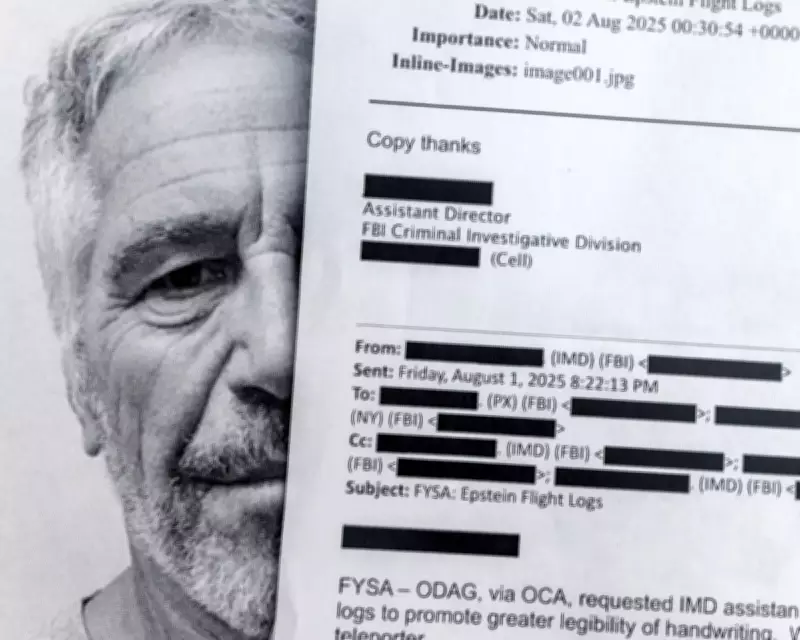
The U.S. Department of Justice's Office of the Inspector General (OIG) announced on Thursday that it is launching an audit of the department's compliance with the Epstein Files Transparency Act. The move comes after criticism over missed deadlines, leaked victim information, and excessive redactions in the release of files related to convicted sex offender Jeffrey Epstein.
Audit Scope and Objectives
In a news release, Deputy Inspector General William M. Blier, who is performing the duties of the inspector general, stated that the preliminary objective of the internal inquiry is to evaluate the Justice Department's processes for identifying, redacting, and releasing records as required by the act. The review will examine the department's identification, collection, and production of responsive material, as well as its guidance and processes for redacting and withholding material consistent with the act's requirements. It will also assess the department's processes for addressing post-release publication concerns.
"If circumstances warrant, the OIG will consider addressing other issues that may arise during the course of the audit," the statement added. The Justice Department did not immediately respond to a request for comment.

Background on the Epstein Files Transparency Act
The Epstein Files Transparency Act, passed by Congress last year and signed into law in November, mandates the release of all Justice Department files related to Epstein, with exceptions to withhold records that identify victims, include images of child sexual abuse, or are related to ongoing investigations or national security. The Justice Department has faced criticism for failing to meet the act's December 19 deadline for releasing the files, only releasing what it claimed were the full files on January 31.
Many Epstein victims have complained that their sensitive personal information was improperly exposed in the files, and some lawmakers have raised concerns about the extent of redactions in the documents. The Justice Department has maintained that it has followed the law.
Congressional Subpoena and Legal Developments
Last month, the House Oversight and Government Reform Committee subpoenaed former Attorney General Pam Bondi while she was still in office, requesting her appearance to answer questions about the department's handling of the Epstein investigation and compliance with the transparency act. However, after President Donald Trump ousted Bondi from her role earlier this month, the Justice Department informed the committee that Bondi would not appear for the scheduled deposition.
In a letter to Committee Chair James Comer, Assistant Attorney General Patrick Davis argued that the subpoena no longer applies because it was issued to Bondi in her official capacity as attorney general. "Ms. Bondi no longer holds that office," the letter reads. "As a result, because Ms. Bondi no longer can testify in her official capacity as attorney general, the department's position is that the subpoena no longer obligates her to appear on April 14." The letter added, "We kindly ask that you confirm that the subpoena is withdrawn." As of April 8, the committee's subpoena had not been withdrawn, according to a person familiar with the matter.