A Rare Visual Journey into Darfur's Heart of Conflict
Few outsiders have ventured as deeply into the epicenter of Sudan's brutal civil war as French humanitarian Jérôme Tubiana. Granted unprecedented access, Tubiana traveled extensively throughout Darfur to document a conflict that has spiraled into the world's most severe humanitarian catastrophe. His powerful photographs provide a stark, intimate look at a grueling war with no end in sight, yet where fragile hope persists that the violence may one day cease.
Escaping Drones and Documenting Atrocities
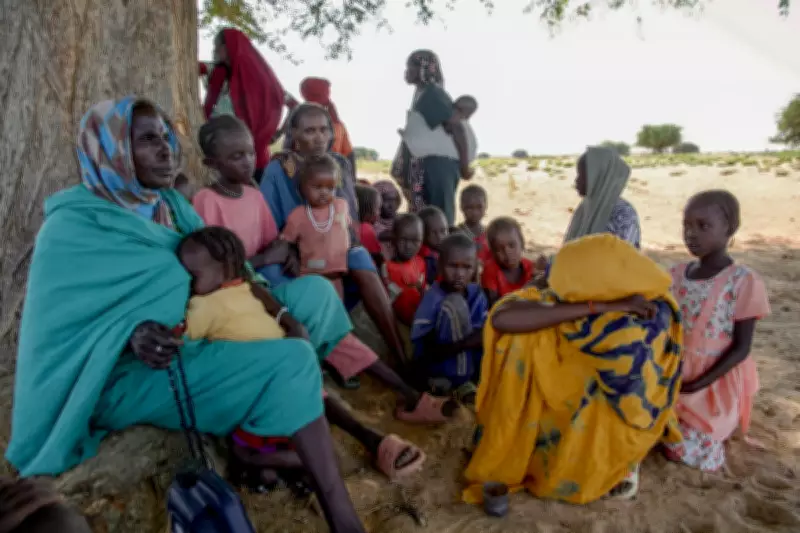
In the North Darfur village of Um Baru, women and children huddle beneath trees, desperately hiding from a hovering drone. For five agonizing hours, the drone dropped bombs that killed villagers, while anxious mothers comforted terrified daughters. This scene, captured by Tubiana, epitomizes the daily terror faced by civilians. The conflict, which erupted in April 2023, has roots in rising tensions, with rebel groups preparing to defend communities against the predominantly Arab paramilitary Rapid Support Forces (RSF). The RSF, direct successors to the genocidal Janjaweed, are implicated in atrocities reminiscent of the earlier Darfur war that claimed up to 300,000 lives.
Mass Displacement and Humanitarian Collapse
As ethnic slaughter engulfed Darfur, over 120,000 refugees fled west to Chad by September 2023, building makeshift shelters in border towns like Adré. Most were from the Masalit community, victims of RSF and Arab militia rampages that killed up to 15,000 in West Darfur's capital, Geneina. The humanitarian situation worsened in summer 2024 when exceptional rains caused floods, disrupting critical roads like the Nyala-Chad route. People were forced to cross rivers on foot, hampering food supplies and exacerbating a hunger crisis. In Tawila, a pile of stones and branches in October 2024 concealed the bodies of four victims from a June 2023 RSF attack, highlighting the war's brutal toll.

Perilous Journeys and Survival Struggles
Civilians fleeing El Fasher face deadly 70km journeys to Tawila, often traveling at night to avoid RSF militias who kill men and rape women. Truck drivers navigate fraught routes, paying taxes at militia checkpoints. In Tawila, a checkpoint guarded by the neutral Sudan Liberation Army offers scant protection. By October 2024, El Fasher had endured a six-month siege, with displaced people like Hattom, a 45-year-old mother, surviving on wild plants due to soaring prices and food shortages. Hattom fled the Zamzam camp after hearing of impending RSF attacks; six months later, Zamzam was overrun, resulting in hundreds of women killed or raped.
Humanitarian Aid and Community Resilience
Amid the chaos, grassroots efforts like Sudan's Emergency Response Rooms (ERRs) have sprung up, distributing aid in areas inaccessible to international agencies. Nominated for a Nobel peace prize, ERRs provide cooked food in camps like Tawila. However, aid is scarce; in April 2024, the Trump administration froze US humanitarian assistance, closing over 1,000 emergency food kitchens. Displaced civilians, desperate for income, work in brick-making for about $2 daily, while others rely on USAID grain bags at UN distribution sites.
Escalating Violence and Defiance
As the RSF intensified efforts to eradicate non-Arab communities, thousands of women and girls took up arms, with legends like Hanadi Dawood and Sāra Bakhit dying in defense of Zamzam and El Fasher. In Dar Zaghawa, self-defense fighters repelled RSF attacks in October 2024, but the conflict persisted with another assault in December. After El Fasher fell in October, RSF drone bombings targeted villages like Um Baru, killing two and injuring five, forcing civilians to hide or flee to Chad.
A Glimpse of Hope Amidst Despair
Despite the devastation, Tubiana's images capture moments of resilience: civilians using Starlink connections to seek news of relatives, or rebels guarding temporary routes under non-aggression pacts. Yet, the war shows no signs of abating, with the RSF continuing attacks and extorting civilians for safe passage. This visual chronicle serves as a poignant reminder of Darfur's ongoing suffering and the enduring hope for peace in one of the world's most devastating conflicts.