Campaigners are intensifying pressure on UK ministers to enact a significant legal reform that would render music lyrics inadmissible as evidence in criminal court proceedings. This proposed change aims to halt a practice that advocacy groups argue disproportionately impacts young black men and unfairly criminalises artistic creativity.
Amendment to the Victims and Courts Bill
At present, police forces across the United Kingdom possess the authority to present lyrics written by defendants, and even appearances in music video backgrounds, as evidence suggesting gang affiliation or involvement in criminal activities. Campaigners are now seeking an amendment to the Victims and Courts Bill, which is currently progressing through Parliament, to explicitly prohibit this practice.
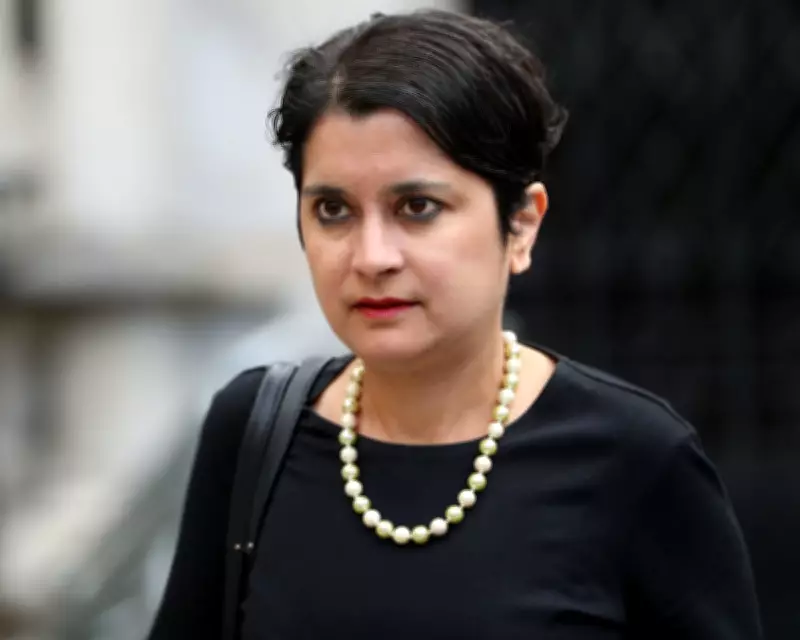
The proposed amendment, which has been tabled by Baroness Shami Chakrabarti and enjoys support from Baroness Doreen Lawrence, is scheduled for debate in the House of Lords this week. It would restrict the use of lyrics to circumstances where they are "literal, rather than figurative or fictional" and directly pertinent to the specific facts of a case.

Arguments Against Current Practice
Baroness Chakrabarti articulated the campaign's position, stating, "We’re in a ridiculous position at present where somebody’s musical taste is somehow probative of their criminal intent. It is like saying that my love of Francis Ford Coppola’s The Godfather makes me a mobster. It’s extraordinary." She expressed optimism that the amendment will garner support from the Deputy Prime Minister, David Lammy.
The amendment was drafted by Keir Montieth KC, a member of the Art Not Evidence campaign group. This organisation contends that lyrics should not be interpreted literally, as they are often entirely fictional, exaggerated, or constitute a form of artistic expression. In an open letter previously sent to Lammy during his tenure as Justice Secretary, the group argued that "these creative expressions have no connection to the serious crimes alleged, and are used to paint a misleading and prejudicial picture, conflating art with evidence."
Concerns Over Expert Witnesses and Procedural Safeguards
Campaigners are also advocating for additional reforms, including the requirement for expert witnesses on genres like rap and drill music in criminal prosecutions to be genuinely independent. They seek procedural safeguards to prevent stereotyping. Chakrabarti highlighted a current issue, noting that ex-police officers are frequently employed as experts, which she described as "retired police officers enjoying a nice little side hustle as independent experts on rap and drill, which is where something that is abusive becomes positively absurd."
Rising Use of Lyrics in Prosecutions
The utilisation of music lyrics as evidence has seen a marked increase in recent years. Research released in 2023 identified more than 70 trials between 2020 and 2023 where rap evidence, including lyrics, music videos, and audio recordings, was employed by police and prosecutors to construct their cases. The number of appeals involving such evidence has tripled over this period.
In London, the Metropolitan Police maintains specific units dedicated to monitoring online behaviour, including the content of rap videos. Similarly, Manchester is another city where this type of evidence is frequently presented in court. Lyrics and music videos are commonly used in joint enterprise cases, such as the notable Manchester 10 trial.
Official Stance and Legal Challenges
The Crown Prosecution Service has previously stated that it "has never prosecuted anybody solely on the basis of their involvement with drill/rap music" but acknowledged that such music "may be of specific relevance to the case against a suspect, in which case it may be used as evidence." Despite this, successful appeals challenging the use of lyrics or music video appearances remain exceedingly rare, underscoring the legal hurdles faced by defendants.
This ongoing debate highlights a critical intersection between criminal justice, artistic freedom, and racial equity within the UK legal system. The outcome of the forthcoming parliamentary debate could set a significant precedent for how creative expression is treated in judicial proceedings across the nation.