Charles Bronson Vows to Expose 'Unlawful' Prison Treatment in Ninth Parole Bid
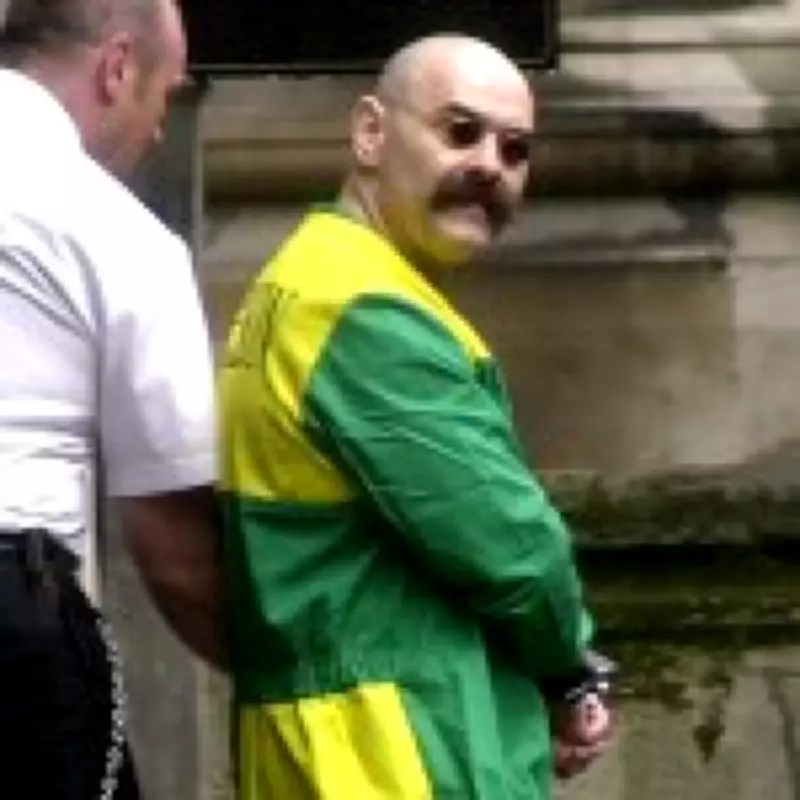
One of Britain's most notorious and longest-serving prisoners, Charles Bronson, is gearing up for his ninth attempt at securing freedom after spending approximately 50 years behind bars. The 73-year-old inmate, who now identifies as Charles Salvador, has launched a scathing attack on the justice system, vowing to expose what he describes as unlawful treatment and an unjust sentence that has kept him incarcerated for most of his adult life.
Decades of Incarceration and Multiple Parole Failures
Bronson's imprisonment began in 1974 when he received a seven-year sentence for armed robbery at age 22. Since that initial conviction, his time in prison has been extended through a series of violent incidents, including attacks on prison staff and fellow inmates, as well as multiple hostage-taking episodes. Despite eight previous unsuccessful parole applications, Bronson remains determined to gain his release, arguing that he has served 23 years beyond his original tariff.
In a letter obtained by Sky News, Bronson expressed his frustration with the system: 'I am 23 years over my tariff. I am forever denied progress. I am forever kept in solitary. They won't even take me off Cat A. I have to expose this unlawful sentence and treatment. It's now gone on for far too long - it's become a total joke.'

Upcoming Oral Parole Hearing
Bronson's next parole hearing represents a significant departure from previous proceedings. Rather than relying solely on written documentation, the Parole Board will conduct an oral hearing where witnesses can be questioned directly about Bronson's current risk level. This approach allows for more dynamic assessment of whether the inmate poses a continued threat to public safety.
The Ministry of Justice and Parole Board have been contacted for comment regarding Bronson's allegations and the upcoming hearing. Their responses will likely shape public perception of this controversial case that has spanned five decades.
From Violence to Art: Bronson's Transformation
During his early prison years, Bronson formed connections with infamous London gangsters, including the Kray brothers, whom he described as 'decent human beings.' His criminal behavior continued during brief periods of release, leading to additional convictions for theft, firearms offenses, and violent crimes - most notably 11 hostage incidents across nine different sieges.
In 2000, Bronson received a discretionary life sentence after holding a prison teacher hostage for 44 hours at HMP Hull. This marked a turning point in his lengthy incarceration. Now, Bronson claims to have redirected his focus toward artistic expression, which he says helps him discover his 'true self' and avoid being agitated by minor frustrations.
His adoption of the name Salvador pays homage to Spanish surrealist painter Salvador Dalí, reflecting this artistic transformation. Bronson describes his art as a 'gift of life' that provides purpose and meaning during his extended confinement.
The Legal and Ethical Questions
Bronson's case raises complex questions about rehabilitation, punishment, and the limits of the justice system. His allegations of unlawful treatment and excessive sentencing challenge established prison protocols, particularly regarding solitary confinement and category A prisoner status. As he prepares for his ninth parole hearing, the outcome will not only determine Bronson's future but may also influence broader discussions about prisoner rights and the parole process in the United Kingdom.
The coming months will reveal whether Bronson's artistic transformation and legal arguments can overcome his violent history in the eyes of the Parole Board, or whether he will remain among Britain's longest-serving prisoners for the foreseeable future.