In a political landscape often criticised for being stale, the fledgling Your Party has emerged as a messy, combative, and fiercely passionate new force. Despite being marred by false starts and internal squabbling since its launch, the party's recent founding conference in Liverpool revealed a movement that refuses to be written off, presenting a refreshing challenge to the political status quo.
A Conference of Conflict and Conviction
The atmosphere at the Liverpool conference on 30 November was electric and deeply factional. From the outset, the event was acrimonious, marked by delegate barrings, ejections, and even a boycott by one of its own leading figures, MP Zarah Sultana. For many observers, the onstage rows and open divisions simply confirmed the narrative of a party destined for a quick demise, seemingly squandering the opportunity created by Labour's rightward shift.
Yet, within the chaos, a different story unfolded. Attendees, including many young but politically experienced activists, engaged in fierce debates about the party's very soul. Intriguingly, figures like Jeremy Corbyn and his allies were labelled "the right" in internal arguments, highlighting a struggle for control between the party's founding personalities and its grassroots membership.

The Grassroots Strikes Back
After a disastrous start, the conference culminated in a significant shift in power. The members successfully voted for the party to be led by an elected committee of ordinary members, rejecting a single-leader model favoured by Corbyn's camp. "The members have taken control," declared Zarah Sultana, finally addressing the conference hall after initial boycotts.
Her subsequent speech was described as "intoxicatingly fierce." She launched blistering attacks on "the parasites" of privatised utilities and warned that mainstream politicians could "lead us into fascism to protect their wealth and power." She vowed Your Party would belong to its members, not "nameless, faceless, unelected bureaucrats"—a clear swipe at Corbyn's advisers. The tension between Sultana's powerful oratory and the party's new collective ethos was palpable.
A Volatile Political Landscape Offers Hope
Despite the turmoil, there are indicators that Your Party may yet find a niche. A recent YouGov poll showed that 12% of Britons would consider voting for the party. Although down from its launch, this figure remains significant given the widespread fragmentation of voter loyalty, where no single party currently polls above 29%.
While the radicalised Greens under Zack Polanski have attracted some left-wing voters, Your Party retains stronger connections to working-class, trade union, and anti-racist politics. To maximise its chances, the party is reportedly moving towards an electoral pact with the Greens to avoid standing in each other's target seats. This strategy of survival and small gains could prove crucial, especially in a potential hung parliament where its current four MPs might wield leverage.
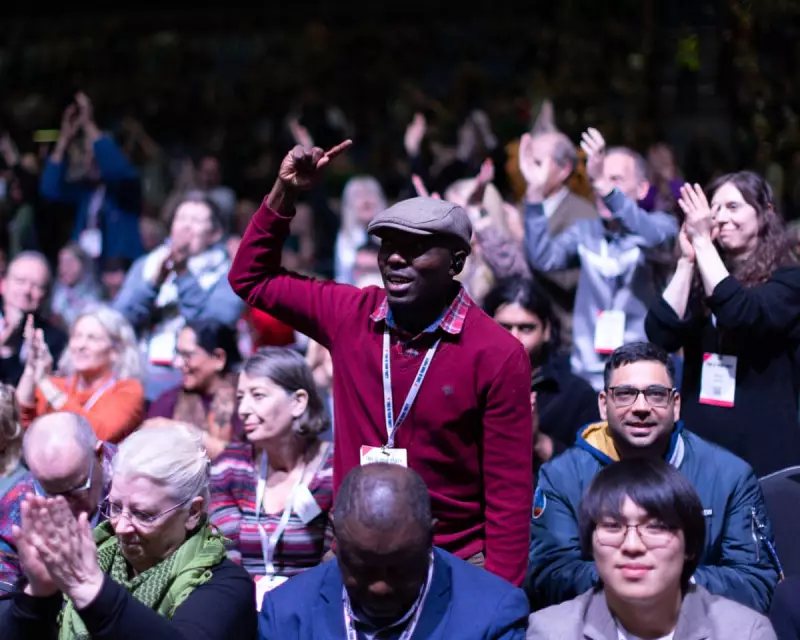
The conference itself, with its larger and livelier audiences than recent Tory or Labour gatherings, felt like a throwback to a more unruly, participatory political era. The lack of deference, constant applause, and heckling suggested a raw energy largely absent from mainstream politics. In these discontented times, where conventional politics is widely disliked, Your Party's messy existence may well represent a beginning rather than an ending.