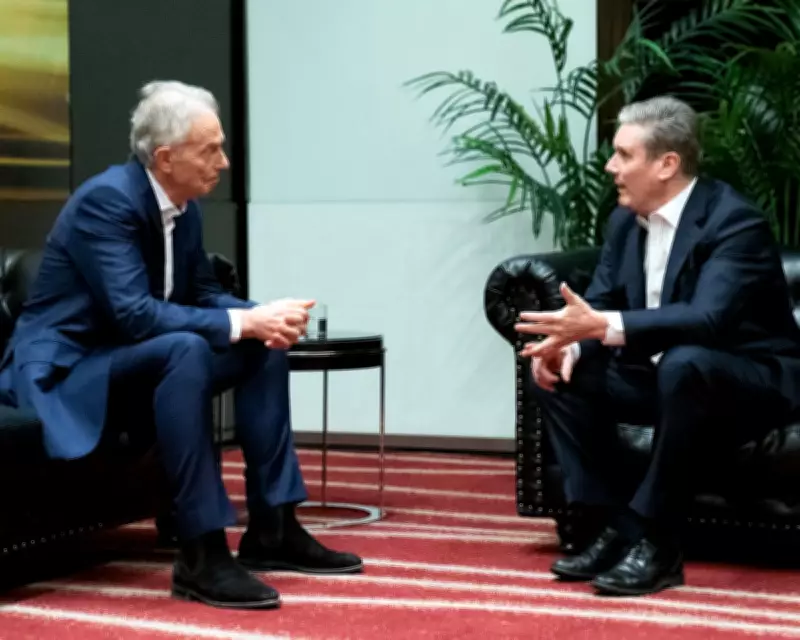
Tony Blair, the former Labour prime minister, has been notably less visible in public life in recent months, a development that many political commentators and critics have welcomed. Blair's tenure in office was marked by the Iraq War and other contentious policies, which continue to shape his legacy.
Reasons for Reduced Visibility
Blair has stepped back from regular media appearances and political commentary, focusing instead on his charitable foundation and business interests. This shift has been met with approval from those who believe his continued involvement in public discourse was detrimental to the Labour Party's image and electoral prospects.
Impact on Labour Party
Labour Party figures have indicated that the distance from Blair's influence has allowed the party to redefine its identity under current leadership. Critics argue that Blair's association with neoliberal policies and the 2003 Iraq invasion alienated many traditional Labour voters.

Political analysts suggest that the less the public hears from Blair, the better it is for the party's unity and electoral chances. His legacy remains a divisive topic within Labour, and his reduced profile may help the party move forward.
Public and Media Reaction
Media outlets have noted a decline in Blair's commentary on current events, with some praising his decision to take a step back. Social media reactions have been mixed, but a significant portion of users express relief at his absence from the political spotlight.
In conclusion, the diminished public role of Tony Blair is seen by many as a positive development for British politics, allowing for a focus on contemporary issues without the shadow of his controversial past.