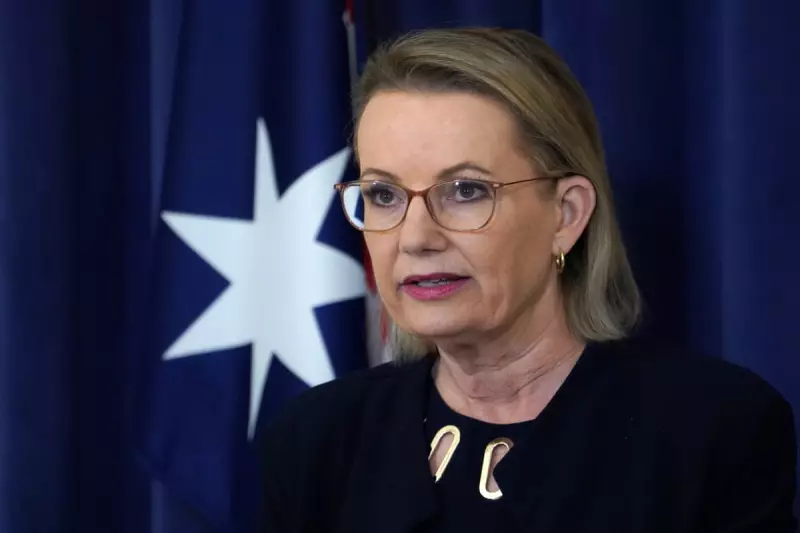
Senior figures within the Liberal Party are pressuring their colleagues to vote against the Albanese government's hastily drafted legislation on hate speech and gun laws, despite Opposition Leader Sussan Ley's weeks-long demand for urgent parliamentary action.
Coalition Divisions Threaten Legislative Response
The push creates a significant internal split for the Coalition, complicating its official position. If the opposition votes against the bill next Tuesday, Labor will be forced to rely on support from the Greens to pass the laws. The legislation, introduced in the wake of the Bondi terror attack on 14 December, combines two major elements: new provisions on hate speech and religious protections, and tightened gun controls.
Guardian Australia understands that major divisions emerged during a two-day parliamentary inquiry into the plan, placing considerable pressure on Sussan Ley. The Opposition Leader, who did not comment on the legislation during a visit to her Farrer electorate on Wednesday, has spent the four weeks since the Bondi attacks calling for parliament to be recalled to legislate better protections against antisemitism.

"The expectation was that the guns stuff would be the sticking point, but there are strong concerns about religious protection as well," one Liberal source revealed.
Backbench Rebellion Over Freedoms and Process
Influential backbencher Andrew Hastie confirmed his opposition on Wednesday, criticising the government for what he called arrogance in trying to force complex legislation through in just two days. He labelled the bill an attack on fundamental democratic rights.
"Those three freedoms are fundamental to any democratic society," Hastie stated. "They're hard won, and they've served Australians well for more than 100 years." He accused Prime Minister Anthony Albanese of showing contempt for parliamentary process and argued the royal commission into antisemitism should complete its work before parliament acts.
Other Coalition MPs, including Garth Hamilton, Henry Pike, and Ben Small, have also expressed strong reservations. Concerns centre on new offences for aggravated hate speech and serious vilification, which some argue are insufficiently defined.
Exemptions and Unintended Consequences Spark Fear
Among the bill's most contentious aspects are defence provisions allowing religious leaders to teach controversial texts and scriptures, even where they discriminate based on ethnicity. Shadow Foreign Minister Michaelia Cash warned this exemption could become a shield for hate preachers, while individuals might face prosecution for expressing sincerely held views.
"If these laws are drafted too broadly, they won't just catch extremists they'll chill free speech and punish the wrong people," Cash said, accusing Albanese of rushing complex laws without proper scrutiny. "This prime minister is chasing politics, not the national interest, and it risks more division, not unity."
Shadow Home Affairs Minister Jonno Duniam highlighted the risk of unintended consequences, including potential legal challenges that could ensnare Christian preachers for sermons that some might find offensive.
The Executive Council of Australian Jewry's co-chief executive, Peter Wertheim, told the inquiry that the carve-out provisions for preachers had caused "great consternation." He noted that controversial phrases like "globalise the intifada" or "death to the IDF" would not be banned under the proposed laws.
Nationals senators Matt Canavan and Bridget McKenzie also indicated their opposition on Wednesday. McKenzie, a shooting enthusiast, argued that limiting gun ownership for law-abiding farmers and sportspeople was the wrong response and criticised Albanese for combining the two issues in one bill.
The Greens party room met on Wednesday but has yet to finalise its position. The minor party has historically called for stronger hate speech laws but is expected to push Labor for amendments if the Coalition opposes the plan.

The internal Conservative revolt presents a direct challenge to Sussan Ley and her moderate supporters, potentially derailing the legislative response Jewish leaders have demanded following the Bondi attack that claimed 15 lives. Some moderate Liberals are now seeking to improve the bill through amendments to maintain faith with those community leaders.