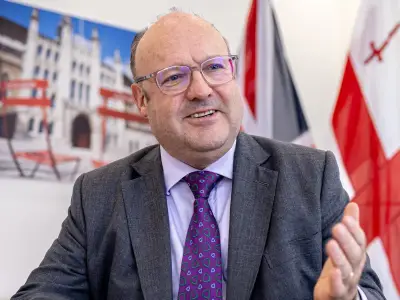
Alexander 'Solly' Solomou, CEO of LBG Media, the digital publisher behind LadBible, described Meta's recent algorithm changes as a 'tough pill to swallow' after they triggered a sharp traffic decline. The shift, which prioritizes creator content over publisher links on Facebook and Instagram, has sent shockwaves through the digital publishing industry.
Impact on LBG Media
LBG Media's shares plunged as much as 40% in a single day after Solomou issued a second profit warning in two months. The algorithm change caused a 41% fall in the company's indirect revenues, which include advertising from websites like SportBible and Betches, as well as social media revenue share agreements. 'When I look back at 15 years of growth, it is a tough pill to swallow and disappointing,' Solomou said, referring to the City's reaction.
Broader Industry Struggles
Other digital publishers are also feeling the heat. Future, owner of brands like Marie Claire and TechRadar, saw its shares lose a third of their value after reporting a 'more pronounced than anticipated' traffic decline from Google. According to the Reuters Institute, publishers expect a 40% drop in search traffic over the next three years, following a 43% decline from Facebook and 46% from X in the last three years. The Daily Mail reported that Google's AI Overviews cut click-through traffic by up to 89% for some content genres.

LadBible's Evolution
Founded in 2012 by Solomou and Arian Kalantari, LadBible initially targeted the lads' mag audience with content like Cleavage Thursday and Bumday Monday. After criticism over sexism, the brand pivoted to a broader entertainment focus, now reaching a global audience of 500 million. 'The bulk of what we do is entertainment, about 70%, but the rest is more serious,' Solomou said. The company listed on the stock market in 2021, reaching a peak valuation of over £400 million, but now stands at just £68 million.
Adapting to the New Landscape
LBG Media is shifting its business model to reduce reliance on indirect revenues, which fell from 55% to 28% of total revenue in a year. Direct revenues, including brand partnerships and owned IP like the YouTube series Snack Wars starring celebrities such as Snoop Dogg and Jennifer Garner, now account for 72% of business and have doubled in the last year. 'This is very much a transition year. We have a recovery plan,' Solomou said. The company still expects underlying profits of £15-20 million this year.
Regulatory and Competitive Pressures
The Competition and Markets Authority (CMA) recently ruled that publishers can block their content from AI Overviews without jeopardizing wider search deals, potentially strengthening their negotiating position. Meanwhile, Facebook's ban of The Daily Mash for satirical content highlights the arbitrary nature of platform enforcement. 'It is a pretty powerless feeling to have everything you have built snatched away from you,' said Tom Whiteley, editor-in-chief of The Daily Mash. Meta declined to comment.
Looking Ahead
Despite challenges, Solomou remains optimistic. 'We reach 500 million people, two-thirds of all millennial and gen Z young adults in the UK and US. We have the scale,' he said. 'Even in a challenging year, we are profitable. The business has evolved over time, and it is a long-term play. We are going to be here for many, many years.'