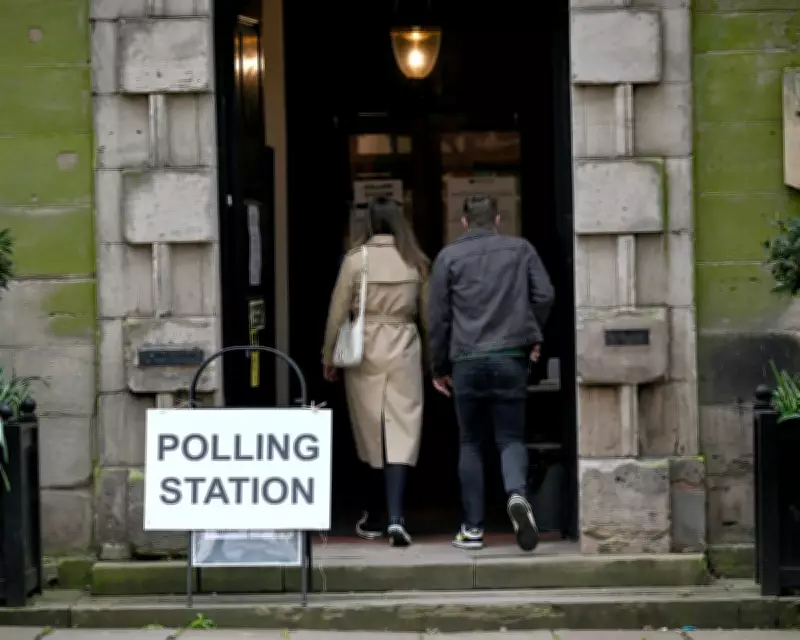
Labour's Donation Dilemma: Public Trust in Politics Hangs in the Balance
In the ever-evolving political landscape of Britain, the Labour Party finds itself at a critical juncture, grappling with issues of transparency and public confidence. As the nation navigates post-Brexit realities and economic challenges, the integrity of political funding has emerged as a pivotal concern for citizens across the country.
The Scrutiny Over Political Donations
Recent discussions have highlighted growing unease regarding the sources and management of political donations, with Labour under particular scrutiny. The party, historically associated with grassroots support and union backing, now faces questions about its financial practices in an era where transparency is increasingly demanded by the electorate. This scrutiny is not isolated to Labour alone but reflects a broader societal shift towards greater accountability in governance.
Public faith in political institutions has been wavering, with polls indicating a decline in trust over recent years. This erosion of confidence is partly attributed to perceptions of opacity in how political parties are funded. Donations, whether from individuals, corporations, or other entities, play a crucial role in shaping political campaigns and policies, yet the mechanisms for disclosing these contributions often fall short of public expectations.

The Call for Enhanced Transparency
Advocates for reform argue that without robust transparency measures, the democratic process is compromised. They point to instances where large donations have raised eyebrows, suggesting potential conflicts of interest or undue influence. In response, there have been calls for stricter regulations and more accessible information on political financing. Proposals include:
- Mandating real-time disclosure of donations above a certain threshold.
- Implementing caps on donation amounts to prevent disproportionate influence.
- Enhancing public access to donation records through user-friendly online portals.
These measures aim to rebuild public trust by ensuring that political funding is conducted openly and ethically. For Labour, this presents both a challenge and an opportunity to lead by example in fostering a more transparent political environment.
Broader Implications for British Politics
The debate over donations extends beyond party lines, touching on fundamental aspects of democracy in Britain. As the country contends with issues like economic inequality and social division, the way politics is funded can either reinforce or alleviate public scepticism. A lack of transparency risks alienating voters, particularly younger generations who are increasingly vocal about ethical governance.
Moreover, this issue intersects with ongoing discussions about electoral reform and the role of money in politics. By addressing donation transparency, political parties can demonstrate a commitment to fairness and integrity, potentially revitalising public engagement in the democratic process. For Labour, navigating this terrain requires balancing traditional support bases with modern demands for openness.
In conclusion, the Labour Party's handling of donation transparency is more than a financial matter; it is a litmus test for the health of British democracy. As calls for reform grow louder, the party's actions will significantly impact public faith in politics, shaping the future of governance in the UK.