Pauline Hanson's Persistent Immunity from Consequences
Pauline Hanson, the veteran Australian politician and leader of One Nation, has long been a polarizing figure in the country's political landscape. Despite numerous controversies, she seems to emerge unscathed time and again. This article examines the factors that allow her to maintain her political career despite facing widespread criticism and condemnation.
The Pattern of Controversy
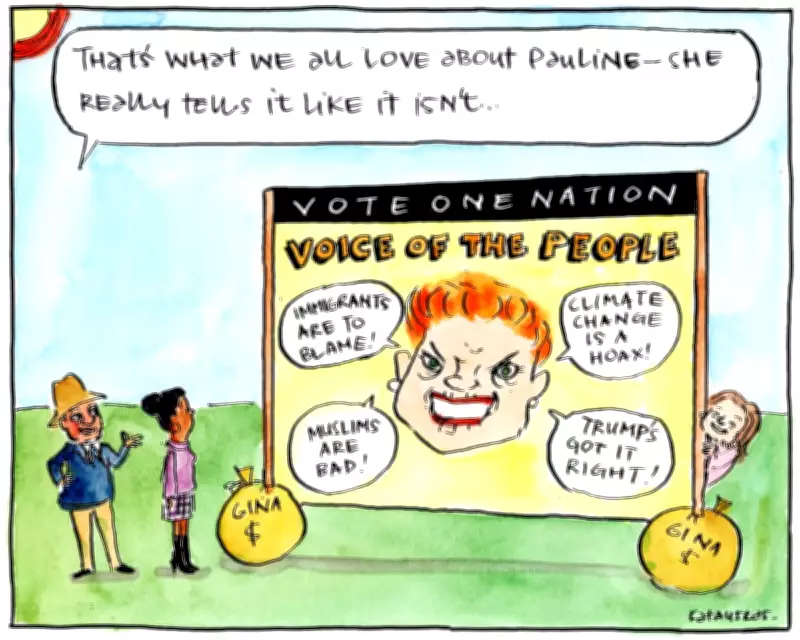
Hanson's political journey is marked by a series of inflammatory remarks on race, immigration, and Islam. Her 2016 Senate return was accompanied by a resurgence of divisive rhetoric, yet she has avoided significant political fallout. Her ability to rally a dedicated support base suggests that her words resonate with a segment of the electorate that feels disenfranchised.
Media and Political Response
Critics argue that the media's coverage of Hanson often provides her with a platform, inadvertently amplifying her message. Meanwhile, mainstream politicians frequently condemn her comments but fail to take concrete action, possibly fearing alienating voters who sympathize with her views. This creates a cycle where Hanson remains relevant without facing serious consequences.

Legal and Ethical Boundaries
While Hanson has faced legal challenges, including accusations of hate speech, she has largely evaded penalties. Australia's legal framework for hate speech is relatively weak, and political speech is broadly protected. This legal landscape, combined with her skill in navigating public opinion, allows her to continue her political activities with minimal interference.
Conclusion
Pauline Hanson's continued political survival is a complex phenomenon rooted in media dynamics, political calculus, and legal protections. As long as these factors persist, she will likely remain a fixture in Australian politics, challenging norms and provoking debate.