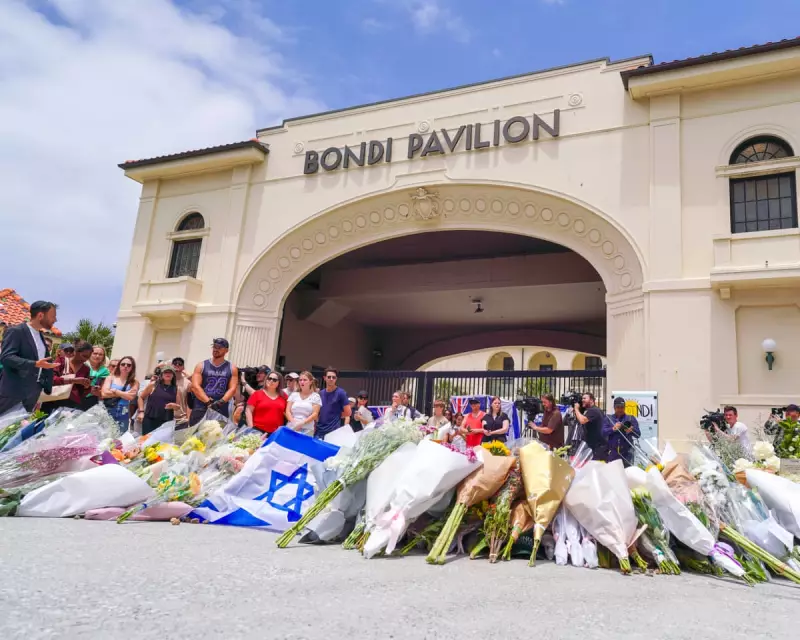
In the wake of the Bondi beach terror attack that left 15 people dead, Australia's political landscape is bracing for a fierce battle over firearm regulations. Prime Minister Anthony Albanese has spearheaded a national push to tighten the country's world-renowned gun safety laws, a move now being met with organised and vehement resistance from pro-gun groups.
The Lobby's Call to Arms
Just five days after the 14 December massacre, which involved lawfully obtained firearms, the president of the Shooters Union Australia, Graham Park, issued a stark warning to members. In a video call with Tom Kenyon, a former state Labor minister who now heads the Sporting Shooters' Association of Australia, Park declared the situation "the most urgent, desperate situation we've seen in decades." He framed the government's response as "the fight of our lives."
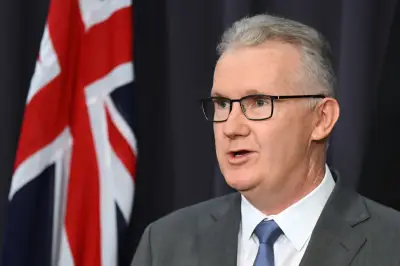
This fight is against a coordinated government plan. Following the attack, Albanese secured an agreement at national cabinet to renegotiate the National Firearms Agreement, originally forged after the 1996 Port Arthur tragedy. Premiers and chief ministers committed to strengthening controls in their jurisdictions and accelerating work on a national gun register. The Prime Minister also promised a new national gun buyback, noting firearm numbers in Australia now exceed those pre-Port Arthur.

Political Battleground and Lobbying Tactics
The first legislative skirmish occurred swiftly in New South Wales. Premier Chris Minns recalled parliament before Christmas to pass laws restricting the number of firearms an individual can own. The laws passed after the state Liberals split from their coalition partners, the Nationals, to support them. Park conceded this initial battle was lost but warned, "that's just the first day of the war."
The federal government wants all states and territories to commit to changes by March and legislate by 1 July. In response, the gun lobby—bolstered by support from the Nationals and One Nation—has launched a multi-pronged campaign. This includes advertising, online petitions, commissioned opinion polls, and discussions of a legal challenge to the NSW laws. They are urging supporters to make gun control a decisive issue in upcoming elections in South Australia and Victoria.
"Make this an issue," Park instructed supporters in a December video. "If they go with this, make them pay. If they go against it, support them like crazy."
Framing the Debate and Political Divisions
The lobby's campaign, titled "Keep Australia Safe," strategically focuses its messaging. It emphasises combating terrorism rather than legal gun ownership, a direct response to the Bondi attack being deemed an Islamic State-inspired event. Since the shooting, the campaign has spent over $42,000 on Meta platform ads, ranking it as the 11th-largest spender on political content in Australia recently.
Political leaders are divided along familiar lines. Nationals leader David Littleproud echoed lobby talking points, stating, "We don't have a gun problem in this country... we have an extreme Islamic ideology problem." Liberal leader Sussan Ley and former PM John Howard dismissed the crackdown as a distraction from confronting antisemitism.
However, criticism isn't confined to conservatives. Federal Labor MP and Olympic shooter Dan Repacholi criticised the rushed NSW laws, saying they prevented him from competing in all his events. Meanwhile, Roland Browne of Gun Control Australia accused the lobby of adopting tactics from the US National Rifle Association (NRA), a claim Kenyon firmly rejected.
As state responses remain mixed—with Victoria reviewing laws, the Northern Territory resisting, and Queensland prioritising antisemitism—the stage is set for a prolonged national debate. The gun lobby, having boasted last year it was "winning" the fight against controls, is now fully mobilised to defend what it calls the rights of law-abiding owners against what it sees as government overreach.