In a significant political intervention, the Green Party's deputy leader, Zack Polanski, has declared he would be prepared to enter a political partnership with Labour if it were led by Andy Burnham, but has firmly ruled out any such arrangement under Sir Keir Starmer. The aim, he stated, would be to challenge the rise of the far right and prevent Reform UK from gaining power.
A Conditional Alliance to Counter the Far Right
Speaking to the Financial Times, Polanski drew a clear distinction between the current Labour leadership and its potential future under the Mayor of Greater Manchester. "I could see the potential to work with Andy Burnham to stop Reform and to challenge the rise of the far right," Polanski said. "I would rule it out with Keir Starmer, but I wouldn't rule it out with Burnham."
For such a coalition to become a reality, two key conditions would need to be met. Firstly, the Green Party would need to win a substantial number of seats at the next general election to make them a viable partner for Labour. Secondly, Andy Burnham would have to re-enter the House of Commons as an MP, a step necessary for any bid to lead the Labour Party.

Polanski used the interview to launch a broadside against the prevailing economic consensus, which he labelled as "broken" and "failed". He called for significant tax reforms, including the introduction of a wealth tax and an increase in capital gains tax to align it with income tax rates. "I am challenging a broken, failed economic model, and the people defending it have no answer other than just to continue with what is broken," he argued.
Lineker Defends Starmer and Critiques BBC Impartiality
In a separate but related development, broadcaster and former footballer Gary Lineker offered a defence of the Prime Minister during an appearance on Polanski's podcast, 'Bold Politics with Zack Polanski'. Lineker revealed he had met Sir Keir Starmer "two or three times" and found him to be "a very nice guy".
"I think he's having a tough time. Obviously he's not a hugely charismatic leader, but I don't necessarily think that's important," Lineker commented, offering a measured assessment of the Labour leader's public persona.
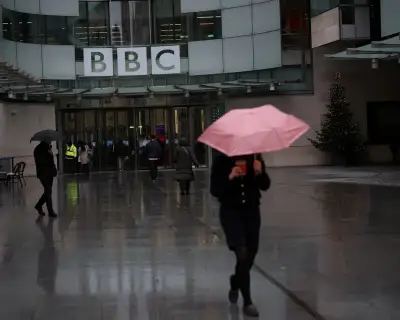
The conversation then turned to the BBC, where Lineker, who left the corporation earlier this year, delivered a pointed critique of its approach to impartiality. He asserted there was "too much political influence from the very top" of the organisation, which had consequently "tied itself up in knots" over the issue.
Lineker argued that the principle of impartiality had been expanded beyond news and current affairs into other areas of the BBC's output, creating unnecessary difficulties. "It's impossible to be impartial on everything," he stated, suggesting the broadcaster should prioritise truth and reporting. He called for a more neutral process for appointing the BBC's chair and board members, noting that those selected by politicians "will obviously be partial". "If they're going to talk about impartiality, start at the top," he urged.
Lineker on Immigration, Abuse, and Gaza
Polanski also questioned Lineker about his outspoken views on immigration. The Match of the Day presenter explained his stance stemmed from empathy and a desire to advocate for those without a platform. "I think we should do our fair share and look after people," he said, acknowledging the complexity of the issue while maintaining his humanitarian position.
He admitted to facing a significant online backlash from right-wing critics for his comments but stated his footballing career had prepared him for abuse, which he now takes "as a compliment".
Looking ahead to 2026, Lineker expressed a desperate hope for "proper peace" in Gaza. He described being deeply affected by the ongoing conflict, saying he looks at his phone "every day and I cry most days when I see it", particularly distressed by the killing of innocent children. "It's just immeasurably wrong," he said, while also questioning why Palestine does not have the same right to defend itself as Israel.

Addressing those who dispute the severity of the situation, Lineker issued a direct challenge: "if you genuinely think this is fabricated, let journalists in."