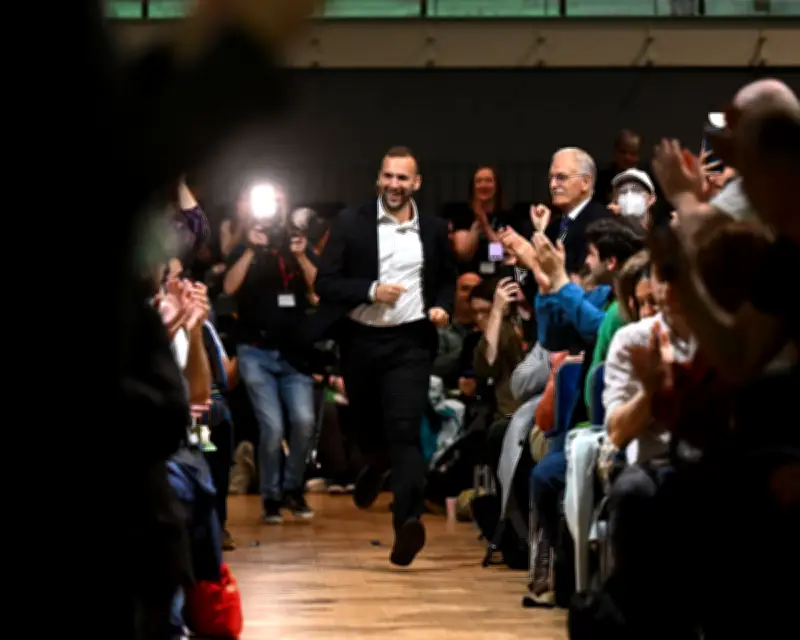
The Green Party of England and Wales is exploring changes to its internal structures as membership has more than tripled since Zack Polanski became leader last September, rising from approximately 68,000 to over 230,000 members. Senior party figures are concerned that the current system of in-person voting at biannual conferences gives disproportionate influence to organized fringe activists who can afford to attend.
Concerns over direct democracy model
Under the Greens' direct-democracy model, only members attending one of the two annual conferences can vote on policy. One Green official noted, "At the moment, the system of in-person voting means it just involves the members who can afford to book a hotel and take some days off work – it's quite self-selecting. This has always been the case, but it's more disproportionate now it's not 1,000 people out of 68,000, but 1,000 out of 230,000."
Another party figure added, "When you have 0.05% of members making the policy decisions, things need to change. We all know that." The party is considering options such as having local parties nominate delegates to speak and vote on behalf of members, or introducing online voting while retaining one-member democracy.

Controversial motions and resource constraints
The member-led system has led to controversies, such as a motion at the spring conference in March that sought to declare "Zionism is racism." The motion was delayed due to procedural issues but could return at the autumn conference in October. Officials attribute many difficulties to a lack of resources to manage the growing membership, though the party's financial position is improving. For about 20 years, a single person organized Green party conferences; only this year has a team been assembled to help.
Leadership model under scrutiny
Some senior Greens argue Polanski has focused too much on broadcasting the party's message rather than improving internal structures. "The leader is traditionally a spokesperson rather than the sort of leader you get in other parties, and I think Zack sometimes hides a bit behind that in not making decisions," one said. "But at the same time, it is a big task, and there is only one of him."
Until 2008, the Greens had "principal speakers" instead of leaders, and even now the leader has limited powers, holding just one vote among about two dozen executive committee members. Some argue this restricts a leader with a strong mandate—Polanski won nearly 85% of members' votes—from making timely policy decisions. One senior figure said, "There has to be a balance in terms of the policies set by conference, and some trust and leeway given to the leader, along with ways to hold them to account if needed. It would help the party be more agile."
Future strategy and electoral prospects
Others defend the current system, noting Polanski can interpret core values while responding to events. The party also faces strategic decisions following its win in the Gorton and Denton byelection and hopes in the Greater Manchester mayoral election. One party figure said, "We have to think properly about this, and how we continue to make ourselves distinctive. We have done well from being a more personable and hopeful option to the left of Keir Starmer, and that role might be about to be filled by Burnham."