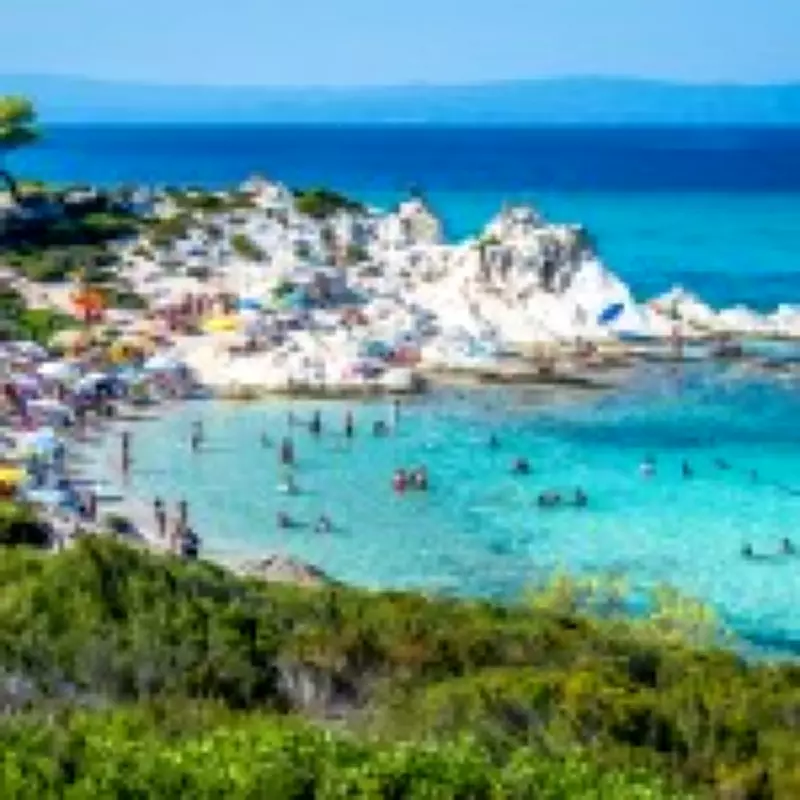
Greece has enacted a sweeping ban on sunbeds and umbrellas at 251 beaches as part of a major environmental protection initiative, just ahead of the summer season. The move, effective from April 2026, expands the Natura 2000 program to include these coastal areas, aiming to safeguard fragile ecosystems and curb the impacts of mass tourism.
Natura 2000 Expansion
The Greek government has significantly increased the number of protected beaches under the Natura 2000 ecological network, from 198 in 2024 to 251 in 2026. This network is designed to preserve habitats and species while preventing overtourism. Under the new regulations, holidaymakers are prohibited from using sun loungers, beach umbrellas, and speakers on these beaches. Additionally, construction of commercial developments, such as umbrella rental services and extended hotel beach sections, is restricted. However, mobile or trailer-mounted refreshment stands are still permitted to sell drinks and snacks.
Environmental Objectives
The Greek Environment Ministry stated that the rule 'seeks to effectively protect beaches that have particular aesthetic, geomorphological or ecological value, as well as to preserve the types of habitats and the species of flora and fauna found on these beaches.' The ban also includes the construction of paved pathways, sea walls, and concrete piers to maintain the natural appearance of coastlines. This is part of a broader strategy to promote sustainable management of Greece's coastline amid intense pressure from tourism development.

Protected Beaches Across Greece
The 251 protected beaches span numerous regions and islands, including Symi, Naxos, Sifnos, Tilos, Rhodes, Corfu, Lefkada, and Kissamos in Crete. The island of Leipsoi in the Dodecanese now boasts one of the most protected shorelines, with 23 'untouched beaches,' the highest number of any municipality.
Overtourism Crisis
Greece has been grappling with overtourism, with Zante named the most crowded island in Europe in 2025. Visitor numbers to Zante rose 7.3% year-on-year, despite a resident population of only 40,000. In 2023, the island recorded six million overnight stays, mainly along its south coast, equating to 150 overnight stays per resident. Meanwhile, Santorini and Mykonos introduced a 'sustainable tourism fee' in July 2025, charging cruise passengers €20 (£17.35) during peak season and lower fees at other times.
Sunbed Regulations and Enforcement
In 2024, Greece deployed drones to monitor tourist activities after conflicts over sunbeds escalated. Authorities investigated over 1,000 complaints via the 'MyCoast' app, using surveillance UAVs and satellite imagery. Bars and restaurants illegally covering beaches with sunbeds and tables were also targeted. Regulations from March 2024 require umbrellas and sunbeds to be at least four meters from the shoreline, with 70% of beach area left free of sunbeds—rising to 85% in protected areas. Deputy Prime Minister Kostis Hatzidakis stated, 'Our goal is to protect the environment and the right of citizens to access the beach freely, and to preserve our tourism product as well as healthy entrepreneurship.' Additionally, 50% of Greece's beaches must remain accessible to the public free of charge.

Lesser-Known Greek Islands to Visit
- Sifnos: Known for the Chrysopigi Monastery and protected beaches.
- Skopelos: Filming location for Mamma Mia, popular among British tourists.
- Paxos: Features traditional villages, hidden beaches, and hot springs.
- Naxos: Offers white cubic homes, ancient ruins, and historical landmarks.
- Ikaria: Named after Icarus from Greek mythology, with beautiful scenery.