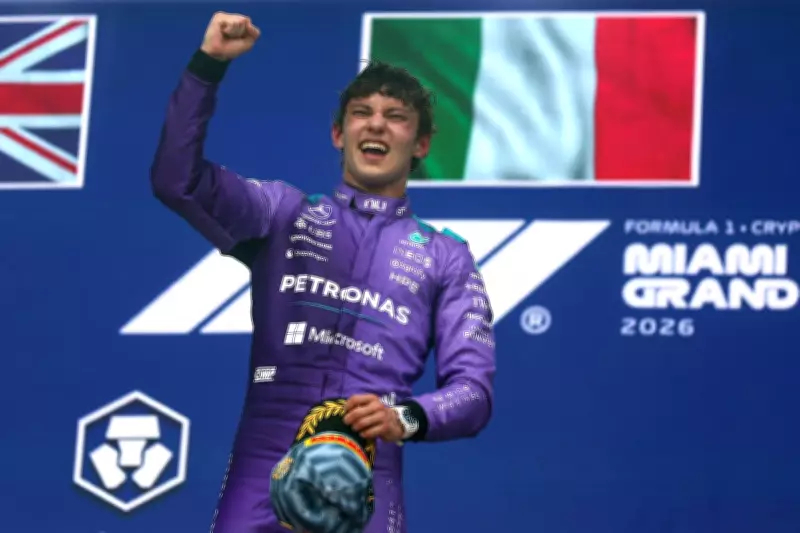
Formula 1 is firmly back on track, but the consecutive Bahrain and Saudi Arabian race cancellations, resulting from events in the Middle East, have underscored how quickly established sporting fixtures can face significant disruption. The cost of canceling both races, given the potential risk to safety for staff and fans, was estimated at upwards of $100 million. This impact was felt across the board: rightsholders lost hosting fees, host cities missed out on economic injections, and sponsors and teams lost brand exposure delivered by a sport watched by over 76 million people per race on average.
Wider Disruption Across Sports
Formula 1 is not alone. The second-tier England Lions cricket tour in the UAE was curtailed and then fully canceled due to security concerns, with additional disruption to the England Women's programme as the team was hastily relocated to South Africa. MotoGP rescheduled the Qatar Grand Prix for November, while several football fixtures were dropped, including the Finalissima between Spain and Argentina, also set to take place in the Gulf.
Formula 1 as a Leader
In Formula 1, the loss of two Grands Prix left a more than five-week gap between Japan and Miami, meaning no racing action during April. The pandemic had already exposed the fragility of sponsorship models built around live events, as did Russia's invasion of Ukraine, which saw the 2022 UEFA Champions League final moved from St. Petersburg within 24 hours of military action.

There are good examples of brands adapting effectively when traditional participation moments disappear. As pandemic restrictions eased, Asics' Run to Feel campaign championed the mental benefits of movement, encouraging people to run 5k weekly and share experiences on social media with the hashtag #RunToFeel. Formula 1 teams also turned to virtual racing with an esports series, starting with the Virtual Bahrain Grand Prix featuring drivers and stars, with F1 global partners like Aramco participating. Across sport, sponsors leaned into athlete-led content and digital fan experiences to maintain engagement. The common thread was that the strongest partnerships were not dependent on the event itself.
Lessons for Sponsors
Think Platform, Not Moment
Brands should not view sports partnerships as a moment in time to activate. Even annual events like the Super Bowl benefit from campaigns built over weeks, amplified across channels, and extended after the game. In Formula 1, this means treating the format as a continuous platform, with key races serving as moments to intensify activity. For example, Signify, the world leader in lighting and official partner of the Mercedes F1 team, has partnered with fitness creators to 'live like an F1 driver,' showcasing the positive impact of lighting on athlete performance and recovery.
Build Formula 1-Style Depth
The disruption highlights a visibility and value point. Partnerships that exist only as a logo on a car or front-of-shirt sponsorship are surface-level and lose impact the moment the event is removed. But those built on storytelling aligned with the sport and genuine integration with teams and fans have far greater resilience, enabling pivots when events are disrupted.
Invest in Relationships, Not Reach
Building loyalty and trust in your fanbase is key to weathering such situations. Brands that invest in sustained engagement are better placed to maintain relevance, even when the platform falls away. This is particularly important as fans grow skeptical of sponsors' roles. Edelman's latest Pushed To The Limit research shows that 40% of fans believe sponsors and advertisers benefit most from sport's commercial models. If that is the perception, relevance and trust matter more than exposure alone. With a World Cup approaching, where geopolitical tensions could see fixtures moved or teams withdraw, these lessons feel timely. Disruption is not going away. The brands that succeed are those not reliant solely on the event itself to deliver value.
Fraser Walters is the lead at Edelman Sport.