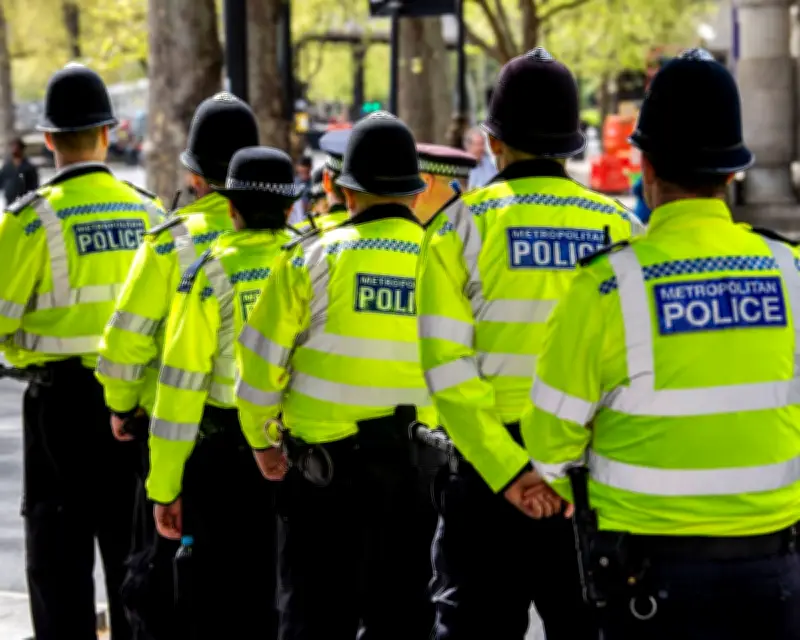
Matt Jukes, deputy commissioner of the Metropolitan police, has called on police leaders to avoid being drawn into polarised political debates, stating that policing must focus on impartiality, effectiveness, and public trust rather than being labelled 'woke' or 'anti-woke'. His comments come as the police leadership commission publishes a review covering England and Wales, which finds that leadership in policing is not consistently of a high enough standard.
Review highlights leadership deficiencies
The commission, after hearing from thousands of officers, staff, and members of the public, concluded that leadership in policing is fragmented and inconsistent. Jukes acknowledged that the review will make uncomfortable reading for many police leaders. The review found that the way policing selects, develops, and promotes leaders is not systematic, leading to a 'postcode lottery' in standards, performance, and opportunities.
According to the commission's survey, more than one in five newly promoted sergeants and inspectors reported receiving no formal leadership training more than two years after promotion. Over 22,000 sergeants are responsible for supervising officers, and many said they had not been properly prepared to lead.
Call for national academy and better training
The commission recommends the creation of a national academy of police leadership, stronger development for frontline supervisors, reforms to promotion processes, and a new leadership fast-stream to identify and prepare future leaders. Jukes emphasised that police leadership development must become a properly funded national priority, noting that it has been underinvested in by forces under strain and by successive governments.
Avoiding culture wars
Jukes stressed that police leaders should not participate in culture wars. 'The choice facing policing is not between being woke or anti-woke. Those labels are imposed from outside. The real question is whether policing is effective, fair and trusted,' he wrote. He added that police leaders have not been 'sure-footed enough' to convince the public that they uphold impartiality and legitimacy, and must act when trust is damaged without appearing ideological.
Wider police reform needed
The commission's recommendations sit alongside wider police reform, with growing recognition that a more coherent system is needed—strong nationally for consistency and specialist skills, but also protecting local policing by removing duplication and inefficiency. Jukes noted that crime is becoming more complex, digital, and international, and policing must adapt accordingly.