
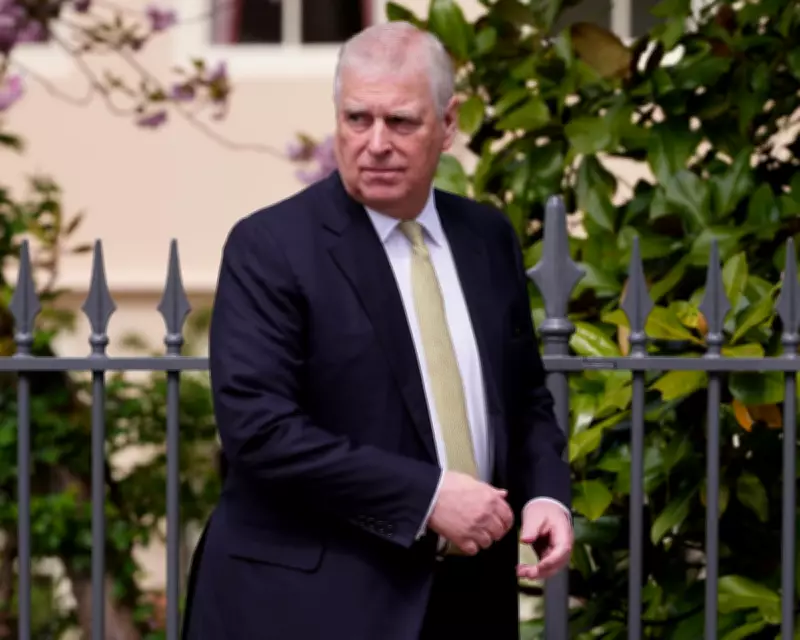
New Zealand Officially Removes Andrew Mountbatten-Windsor from Royal Succession Line
In a significant constitutional move, New Zealand has formally removed Andrew Mountbatten-Windsor from its line of royal succession. This decision marks a notable shift in the country's relationship with the British monarchy and underscores evolving attitudes towards royal institutions in the modern era.
Details of the Constitutional Change
The removal of Andrew Mountbatten-Windsor from New Zealand's royal succession line was enacted through official legislative procedures. This action follows a period of public and political debate regarding the role of the monarchy in New Zealand's governance structure. The change reflects a broader reassessment of constitutional ties that have historically linked New Zealand to the British Crown.
Andrew Mountbatten-Windsor, a member of the British royal family, has been at the center of various controversies in recent years. His removal from the succession line in New Zealand is seen as a response to these issues, aligning the country's royal protocols with contemporary ethical standards and public sentiment.
Implications for New Zealand's Monarchy
This decision has several implications for New Zealand's constitutional framework. Firstly, it adjusts the order of succession, potentially affecting future royal appointments and ceremonial roles within the country. Secondly, it signals a move towards greater autonomy in how New Zealand manages its royal affiliations, independent of British royal family dynamics.
The change is part of a larger trend among Commonwealth nations reevaluating their ties to the British monarchy. New Zealand's action may influence similar discussions in other countries, as they consider updates to their own succession laws and royal relationships.
Public and Political Reactions
Reactions to this move have been mixed. Supporters argue that it modernizes New Zealand's constitutional practices and distances the country from figures associated with controversy. Critics, however, express concerns about the precedent it sets for altering royal succession lines based on individual conduct, rather than traditional hereditary principles.
Political analysts note that this decision could spark further debates about New Zealand's status as a constitutional monarchy. Some advocate for more comprehensive reforms, including discussions on becoming a republic, while others emphasize the importance of maintaining historical ties.
Historical Context and Future Outlook
Historically, New Zealand has maintained a close relationship with the British monarchy, with the monarch serving as the head of state. This removal from the succession line represents a nuanced adjustment rather than a complete break, as the overall structure of the monarchy remains intact for now.
Looking ahead, this change may lead to additional constitutional reviews in New Zealand. It highlights the ongoing evolution of royal institutions in response to societal changes and global trends. As New Zealand navigates these developments, the balance between tradition and modernity will continue to shape its political landscape.
In summary, New Zealand's removal of Andrew Mountbatten-Windsor from the royal succession line is a pivotal moment in its constitutional history. It reflects a careful consideration of ethical, political, and social factors, setting a precedent for how nations address royal affiliations in the 21st century.




