
Royal Arrest Sparks Debate: Monarchy's Resilience Amid Andrew's Legal Woes
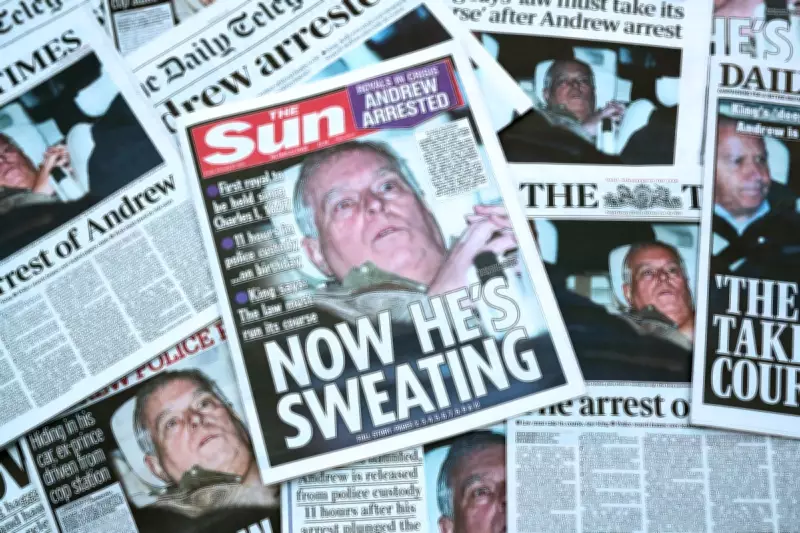
In a historic event that has captivated the nation, Andrew Mountbatten-Windsor was arrested on his 66th birthday, 19 February 2026, at the Sandringham Estate in Norfolk. Thames Valley Police detained him on suspicion of misconduct in public office, following revelations from the Epstein files. The former duke has denied any wrongdoing related to his association with convicted child sex offender Jeffrey Epstein, but the arrest marks the first time a member of the Royal Family has been in custody since Charles I surrendered in 1646.
The Charges and Legal Implications
The arrest centers on Andrew's tenure as Special Representative for International Trade and Investment from 2001 to 2011. He is alleged to have shown confidential reports from trade visits to Epstein and disclosed a Treasury briefing to a personal business contact. Misconduct in public office is a common law offence with a maximum sentence of life imprisonment, requiring proof that a public officer acted wilfully with misconduct or neglect, amounting to an affront to the office held. While there are 25 to 50 convictions annually, mostly involving prison or police officers, securing a conviction can be challenging. The Public Office (Accountability) Bill, currently in the House of Commons, aims to replace this with statutory offences, but for now, it remains the primary legal recourse.
Andrew was released after approximately 12 hours of questioning and has not been charged yet. The investigation continues, with potential implications for national security, as there are concerns he may have disclosed sensitive defence information. Despite his denial, his reputation has been severely damaged, leading to the stripping of his HRH style, prince title, and orders of chivalry.
Monarchy's Response and Public Perception
King Charles III issued a brief but significant statement, emphasizing that "the law must take its course." This declaration underscores the Royal Family's commitment to transparency and cooperation with the investigation. While the arrest has dominated media coverage, with outlets like the Daily Mail dedicating extensive space to the story, it is crucial to distinguish between confirmed facts and speculation. Andrew's friendship with Epstein and his untruthful BBC interview have already cost him public esteem, but he has not been convicted of any crime.
Experts argue that this situation does not constitute a constitutional crisis. If Andrew is found guilty, it would be embarrassing for the monarchy, but it would also demonstrate that no one is above the law, potentially strengthening public trust. The real danger would arise if there were any suggestion of immunity or shielding, which could trigger constitutional uproar. However, the ongoing police investigation, supported by the Royal Family, aims to ensure a fair process.
Historical Context and Future Outlook
Comparing this to past royal scandals, such as Princess Anne's 2002 conviction under the Dangerous Dogs Act, highlights that the monarchy has weathered minor legal issues before. Andrew's case is more severe due to the serious nature of the allegations and his high-profile role. Yet, historians note that the institution has survived far graver challenges, including the execution of Charles I. The key lies in maintaining public confidence through accountability.
As the investigation proceeds, the focus remains on whether Andrew will face charges and a potential trial. The monarchy's resilience hinges on its ability to navigate this scandal with integrity, avoiding any perception of special treatment. For now, the House of Windsor endures, with the Crown's stability not yet in jeopardy, but the outcome will test its modern relevance and ethical standing.




