
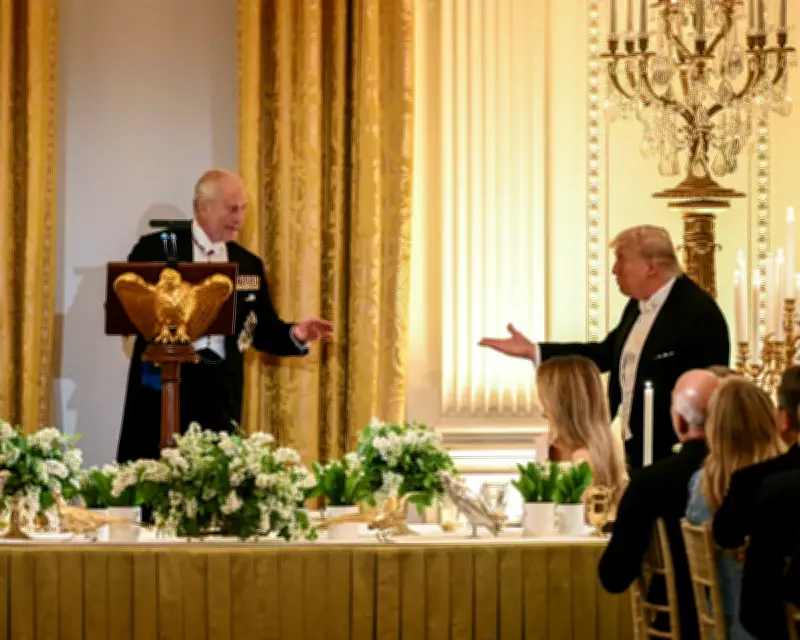
King Charles III’s recent state visit to Washington was more than a diplomatic formality; it was a subtle, much-needed history lesson for the United States. During a state banquet at the White House on 28 April 2026, Charles quipped to President Donald Trump, recalling the 18th-century Anglo-French contest for North America: “You recently commented, Mr President, that if it were not for the United States, European countries would be speaking German. Dare I say that, if it wasn’t for us, you’d be speaking French!” The remark, though lighthearted, carried a deeper message about shared heritage and mutual reliance.
A Calm Antidote to Turbulent Times
Charles’s address to Congress avoided the direct criticism many anticipated, but it was nonetheless a bold performance given constitutional constraints. He offered calm, perspective, and a reminder of America’s founding principles. The king emphasized unity as essential for success and underscored that US actions resonate globally. His subtle history lesson may have done more to make America feel great again than Trump’s rhetoric ever has.
Historical Allusions with Modern Relevance
Charles invoked Magna Carta, noting its influence on the US Constitution and its principle that “executive power is subject to checks and balances”—a clear allusion to Trump’s expansive use of presidential authority. He also referenced the 1688 Bill of Rights, parts of which were incorporated into the US Bill of Rights, warning against threats to civil liberties. Recalling 9/11, he reminded Americans of NATO solidarity and urged reciprocity in supporting allies, particularly Ukraine.
Bipartisan Applause in a Fractured Congress
The reaction from Democrats and many Republicans was telling: they rose together to applaud Charles’s conviction that the US will overcome its current divisions and rediscover its moral leadership. The king’s reminiscences of his mother’s friendships with past presidents reinforced the deep ties between the two nations. Charles suggested that despite its independence, the US remains rooted in Britain and Europe—a message that resonated with a public weary of Trump-era turmoil.
Will Trump Heed the Lesson?
No sooner had Charles left than Trump began exploiting their private conversations to justify his Iran policy. The Iran conflict is a test case: if Trump adopted Charles’s calm, historical approach—considering the CIA’s 1953 coup, the Shah’s dictatorship, and decades of sanctions—he might choose de-escalation and negotiation. A deal offering sanctions relief and normalization in exchange for Iran forgoing nuclear weapons and regional proxies remains the only viable path. If Trump takes the long view, he could belatedly align the US with history’s right side.
King Charles’s visit may have temporarily eased US-UK frictions, but its greater achievement was to remind Americans of their identity and potential. Whether the message sticks depends on whether the US heeds history’s lessons or remains mired in the chaos of the Trump era.




