
King Charles' Former Gardener Reveals Monarch's Specific Vegetable Demands
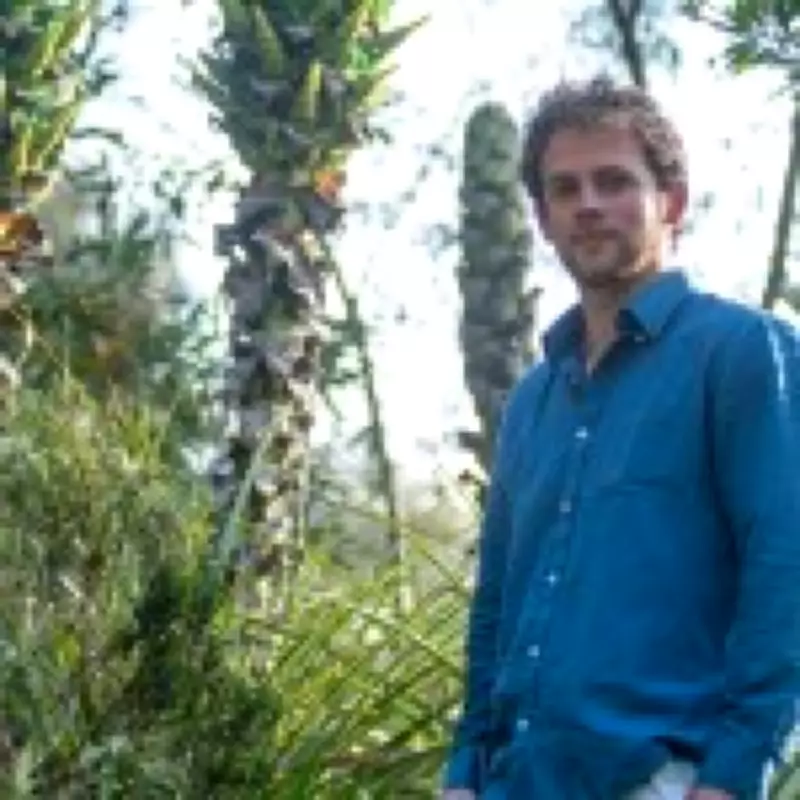
David Pearce, who served as kitchen gardener for King Charles III, has revealed fascinating details about the monarch's particular preferences when it comes to vegetables grown for his personal consumption. The former gardener disclosed that while the famously environmentally-conscious king takes great interest in his produce, certain vegetables were strictly off-limits in the royal kitchen garden.
Banned Vegetables and Specific Requirements
According to Pearce, who worked at Highgrove House in Gloucestershire, King Charles maintained very specific standards for the vegetables that would appear on his plate. "Squash was off the cards, and absolutely no courgettes," Pearce revealed about the monarch's vegetable preferences. However, the king showed particular enthusiasm for other produce, including a whole bed dedicated to salad and two entire beds of asparagus.
The former gardener described how carrots had to meet exact specifications: "We would have to grow them to a particular size, of your little finger." These "crudité carrots" were among the vegetables that required precise cultivation to satisfy the monarch's standards. King Charles also demonstrated particular affinity for spinach, onions, leeks, and Florence fennel according to Pearce's account.
Organic Gardening Principles at Highgrove
Pearce described the one-acre walled garden at Highgrove as geometrically arranged and running along emphatically organic principles. The garden, tucked into woodland near Tetbury, represented King Charles' long-standing commitment to environmentally-friendly practices. "When everyone else was primping lawns, he was cultivating wildflower meadows as far as the eye could see," Pearce noted about his royal employer's approach.
The gardening methods employed at Highgrove avoided chemical sprays entirely. Instead, the team used electric gadgets for pest control and developed inventive methods for weed management without resorting to chemicals. Pearce described these practices as being ahead of their time, reflecting King Charles' decades-long advocacy for organic and sustainable agriculture.
Royal Involvement and Morning Walks
During his time working at Highgrove, Pearce experienced firsthand the monarch's personal involvement in the garden's management. Although this period coincided with preparations for "the big transition" to kingship, King Charles maintained his routine of morning garden walks when present at the residence. "We would have the opportunity to walk around with him," Pearce recalled. "He would tell us what particular things he wanted, when he wanted them."
This hands-on approach allowed the monarch to communicate his preferences directly to the gardening staff, ensuring his specific requirements were met. The former gardener noted that most of what they grew were items specifically requested by King Charles himself, reflecting his personal tastes and dietary preferences.
From Royal Service to Independent Gardening
After his time at Highgrove, David Pearce moved to Whatley Manor, a five-star hotel in the Cotswolds whose gardens follow the Arts and Crafts tradition. This transition allowed him to run his own garden, make independent design decisions, and begin implementing his own gardening ideas. Pearce's experience working for the monarch provided him with unique insights into royal gardening practices and the specific preferences of one of Britain's most environmentally-conscious public figures.
The revelations offer a rare glimpse into the personal habits and preferences of King Charles, whose passion for gardening and environmental causes has been well-documented throughout his public life. The specific vegetable requirements and banned items reflect the monarch's particular tastes developed over decades of interest in sustainable agriculture and organic food production.




