
Europe should adopt a more pragmatic approach similar to China's if it hopes to navigate the current era of global instability, according to Mark Leonard, director of the European Council on Foreign Relations. In a recent analysis, Leonard argues that the continent's obsession with maintaining an outdated rules-based order leaves it vulnerable to Chinese economic dominance and security threats.
China's Preparedness for Chaos
Leonard highlights that China has been preparing for what he calls an age of 'un-order'—a world where traditional rules and norms no longer hold sway. While European governments focused on preserving order through institutions like NATO and the WTO, Beijing quietly stockpiled oil, food, and semiconductors, cornered markets in rare earths and critical minerals, and invested heavily in future technologies. This strategic foresight has left China self-confident, even as the US and Israel's conflict with Iran drives energy prices higher.
Europe's Exposure to Chinese Dominance
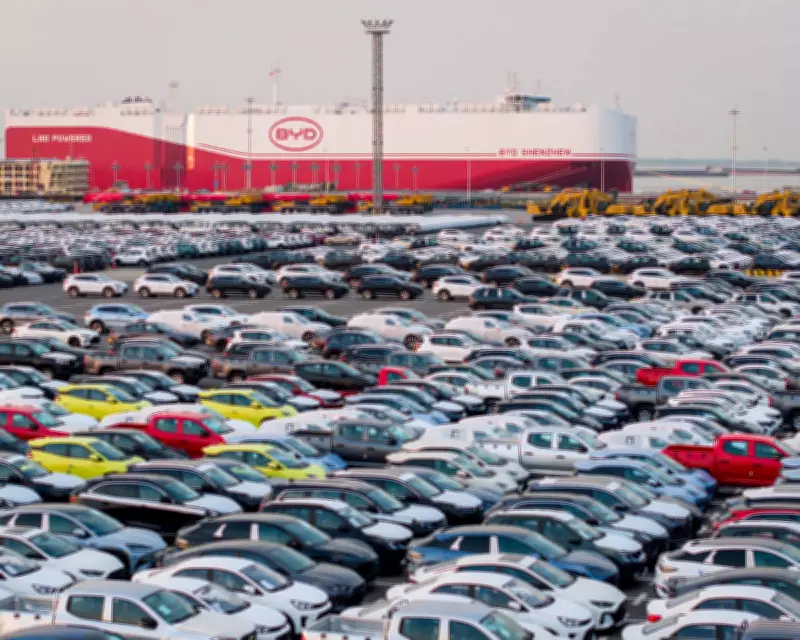
The scale of Europe's dependence on China is staggering. In clean energy transitions—batteries, electric vehicles, solar panels, and wind turbines—Chinese firms dominate supply chains. Europe's rearmament efforts in response to Russian threats also rely on Beijing; 80% of global drone supply chains are Chinese, and China supplies 97% of the EU's magnesium, crucial for fighter jets and munitions. Leonard warns that China has shown willingness to exploit these chokepoints for political gain.
Some European leaders fear that a tougher stance on China would deter Chinese investment. However, Leonard argues that promised technology transfers and investments in Hungary and Spain have not materialized. He contends that only substantial EU tariffs—higher than the current half-hearted measures on autos—would incentivize Chinese companies to build factories in Europe rather than flooding the market with exports. Without such action, Europe risks rapid deindustrialization as cheaper Chinese products dominate.
A Call for European Agency
To avoid a future of poverty and weakened defenses, Europe must develop its own agency in a world without order. This means mimicking China's strategy of selectively protecting its internal market while investing aggressively in green technologies, AI, and defense. Leonard proposes building strategic stockpiles of critical minerals, committing to buy European-made batteries, and excluding Chinese wind turbines from infrastructure projects.
Beyond de-risking, Europe can leverage its own tools. The EU's anti-coercion instrument, or 'trade bazooka', could impose 30% across-the-board tariffs on Chinese goods. Digital regulations like the Digital Markets Act and Digital Services Act could limit operations of Chinese tech giants like ByteDance, Tencent, and Alibaba. Even more aggressive options include grounding half of China's commercial Airbus fleet by withholding software updates.
Broader Benefits of a New Approach
Such measures would not only level the playing field with China but also prepare Europe to resist pressure from the US under Trump, whether over Greenland, Ukraine, or technology access. By shifting focus from preserving order to surviving chaos, Europe can better withstand diverse threats in the age of un-order.




