
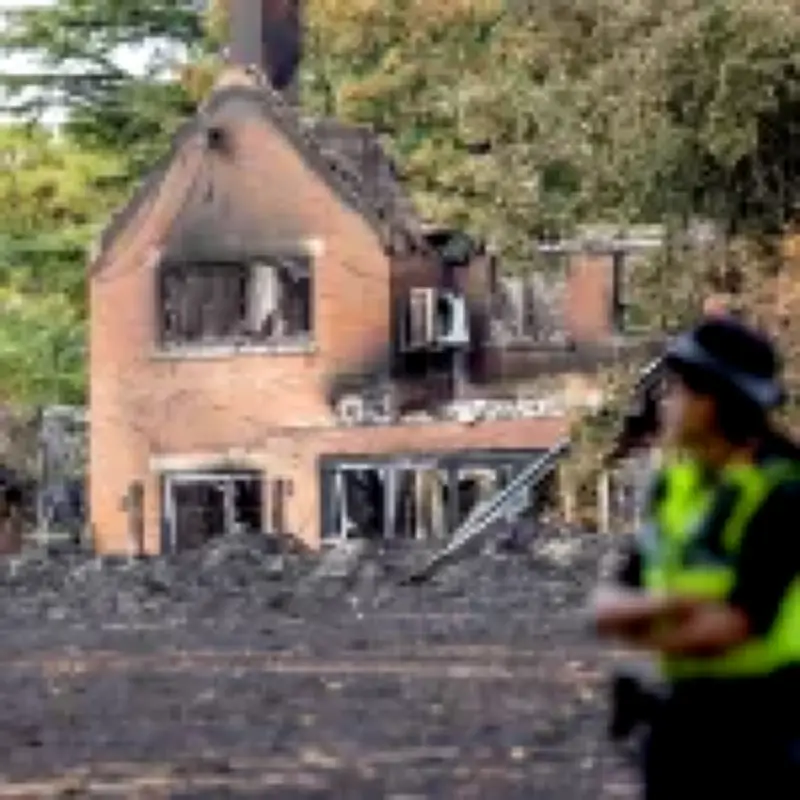
Residents affected by the wildfires in Stourbridge are set to return to their homes after a major incident was declared and the blaze was brought under control. West Midlands Fire Service confirmed that the fire, which spread across more than 500 acres and destroyed 19 homes in the market town, is now under control, and a return-to-home plan has been established for those evacuated.
Return-to-Home Plan and Community Support
Emergency services have invited locals affected by the fire to meet with officers who will outline whether further assessments are needed before they can re-enter their properties, or if return is not possible. The fire service has worked 'around the clock' with other agencies to manage the incident, and officials are now focusing on supporting the community through the next steps.
The blaze was one of several wildfires that ravaged the UK this week, as temperatures soared and the hottest day of the year was recorded on August 13 at 38.1°C. The Stourbridge fire prompted a major incident declaration on Thursday, and emergency services have since described the situation as 'apocalyptic' but now under control.
National Emergency Alert and Public Response
On Friday evening, millions of people in England and Wales received a mobile alert warning of a 'very high risk of wildfires nationally'. The alert was a direct request from fire services, with Prime Minister Andy Burnham urging the public to take it 'seriously'. Burnham described Britain as a 'tinderbox' due to the 'changing climate' and implemented a temporary ban on the sale of disposable barbecues, instructing the public not to light anything that could spark a fire, including barbecues, campfires, and fireworks.
Derbyshire Fire and Rescue Service reported being 'inundated' with 999 calls since the alert, urging people to keep lines available for urgent assistance. South Wales Fire and Rescue Service echoed this, noting it received 736 calls on Saturday evening compared to its usual average of about 300, and urged people to only call 999 for new incidents.
Military Support and Firefighting Efforts
In response to the wildfires, 200 military personnel were deployed to assist civilian teams, including members of the Queen’s Own Gurkha Logistic Regiment and the 22 Engineer Regiment. According to the Ministry of Defence, their main task was to provide logistical support, such as water distribution, to free firefighters and specialist responders for frontline firefighting.
Deputy Chief Fire Officer Adam Openshaw expressed pride in the response, thanking crews from across the UK for their support. He acknowledged the challenging time for affected communities and assured them of continued commitment to protection and safety. Mid and West Wales Fire and Rescue Service also battled a wildfire in Rhandirmwyn, near Llandovery, describing it as 'challenging and dynamic', with helicopter water drops assisting operations.
National Impact and Climate Concerns
The Prince of Wales shared a statement thanking firefighters, emergency responders, and volunteers for their tireless work, expressing thoughts for those affected, particularly those who lost homes. Phil Garrigan, chairman of the National Fire Chiefs Council, stressed that the service is under 'significant pressure' following 11 major incidents across the UK, including Stourbridge, Sandwell, Pershore, and Stoke-on-Trent, with incidents still raging in Hampshire and South Wales.
Temperatures are expected to cool in the coming days, with cloudier and rainier conditions forecast, though the amount of rain remains uncertain as 70% of England and all of Wales are officially in drought. Prime Minister Burnham admitted the need to 'face up' to climate change, having 'never seen anything like it' when visiting Stourbridge, and emphasized the need for more clean energy.




