IOC's Handling of Ukraine Helmet Controversy Sparks Outrage at Winter Olympics
The reputations of the International Olympic Committee and its president, Kirsty Coventry, have been severely tarnished by the organization's clumsy and insensitive management of the Ukraine helmet dispute during the Milano Cortina 2026 Winter Olympic Games. This incident has exposed a profound disconnect between the IOC and the global community it purports to serve, rather than rule over.
A Crass Decision That Overshadows Sporting Excellence
Amidst a backdrop of breathtaking athletic performances and dramatic storylines, from medical scandals to equipment controversies, the most enduring memory of these Olympics may well be the IOC's heavy-handed disqualification of Ukrainian skeleton competitor Vladyslav Heraskevych. His helmet, which honored athletes killed by Russia in the ongoing war against Ukraine, was deemed a violation of Olympic protocols, leading to his exclusion from competition.
This decision has been widely condemned as tone-deaf and cruel, particularly given the IOC's own stance in banning the Russian team from the Games due to the conflict. By punishing Heraskevych for expressing solidarity with his nation, the committee appears hypocritical and out of touch with the very principles of remembrance and human dignity.

Emotional Turmoil and Missed Opportunities
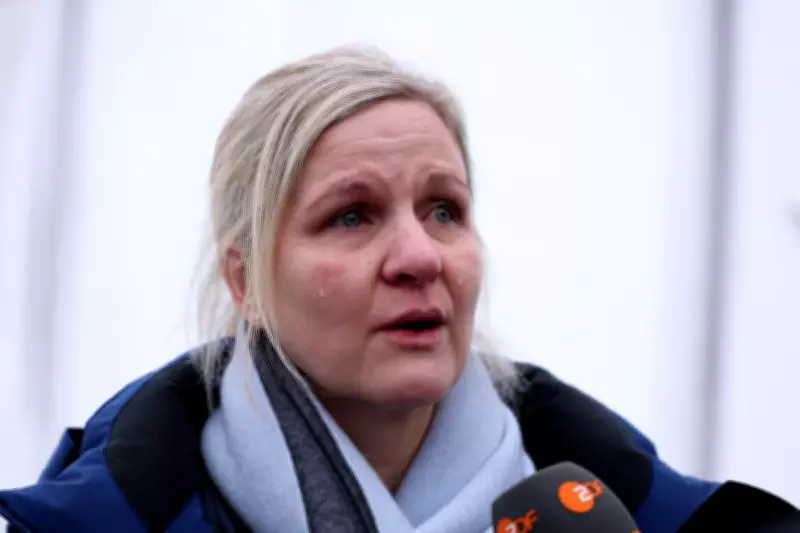
The emotional fallout was palpable, with IOC President Kirsty Coventry reportedly in tears after failing to persuade Heraskevych to comply with the regulations. While her visible distress hinted at a more humane approach compared to her predecessor, Thomas Bach, it also underscored the rigid and unyielding nature of the IOC's bureaucracy.
In a statement that further damaged the committee's image, IOC spokesman Mark Adams argued that allowing such expressions could set a dangerous precedent, citing over 130 global conflicts. However, this rationale rings hollow when the IOC has explicitly singled out Russia for exclusion, making the punishment of a Ukrainian athlete seem particularly unjust.
The IOC missed a critical chance to demonstrate compassion and strategic leadership. Instead of disqualifying Heraskevych, they could have allowed him to compete while using his case to clarify and reinforce future rules, enlisting his cooperation to prevent copycat actions. The offer of a black armband and a photo opportunity in the mixed zone was widely perceived as a weak compromise, which Heraskevych rightly rejected.
Broader Implications for Olympic Governance
This saga has not only hurt the IOC's credibility but also raised questions about its future direction, especially as rumors swirl about the potential reintegration of the Russian team for the LA28 Olympics. The episode serves as a stark reminder that sports governance must balance regulation with empathy, particularly in times of global strife.
Outside the insulated bubble of the IOC, public and media reactions have been overwhelmingly critical, suggesting that the organization's reputation has suffered significant damage. This controversy underscores the need for more enlightened leadership that can navigate complex geopolitical issues without alienating athletes and fans alike.
Reflections on Medal Pressures and Sporting Spirit
In a related note, the article also touches on the undue pressure placed on athletes regarding medal tallies. British Olympic Association chair Katherine Grainger's comments about potential record medal wins have sparked debate about the tyranny of public expectations. As the Games progress, it is crucial to celebrate competitiveness and athletic achievement without burdening competitors with excessive demands.
Ultimately, the Winter Olympics should be a celebration of human endeavor and unity, not a stage for bureaucratic missteps. The IOC must learn from this debacle to rebuild trust and align its actions with the values it professes to uphold.