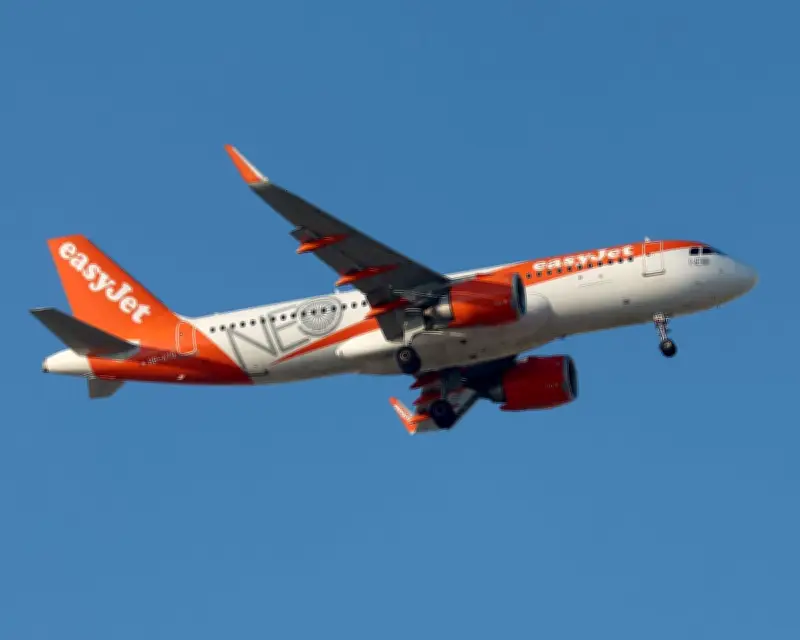
US private equity firm Apollo Global Management has entered the bidding war for easyJet, offering 715p per share, a 3.6% increase over Castlelake's 690p offer. The new bid values the low-cost airline at approximately £5.7bn, raising the stakes in what has become a competitive auction.
Apollo's offer trumps Castlelake
Apollo's 715p per share bid represents a 25p premium over Castlelake's previous offer, which easyJet's board had already accepted after five attempts. The arrival of Apollo comes as a surprise, given Castlelake's prolonged pursuit, but provides relief to easyJet's chair, Sir Stephen Hester, who had been criticized for settling at 690p. According to financial commentator Nils Pratley, the new offer is only 3.6% higher but “at least the first digit is less embarrassing.”
Strategic advantages for Apollo
Apollo's approach includes a direct appeal to easyJet founder Sir Stelios Haji-Ioannou, whose family holds a 15% stake and controls the brand licence agreement for the “easy” name. Apollo has pledged to continue the arrangement and seek to boost revenues, whereas Castlelake's plans remain less defined. Additionally, Apollo is a larger player in corporate ownership, with a broader investment scope compared to Castlelake, a private credit fund with $38bn in assets under management traditionally focused on financing and leasing.

EU ownership rules and deal certainty
Both offers must comply with EU regulations requiring at least 50.1% of ownership and control to be within the region. This may involve allowing eligible shareholders, including Sir Stelios, to roll over their holdings into a private vehicle. The fact that two US firms believe this is feasible has boosted market confidence that a deal will proceed. However, Hester is advised to secure a substantial break-fee in easyJet's favour in case EU regulators reject the legal arrangements.
EasyJet's fundamentals remain strong
Despite a depressed share price, easyJet is not a crisis-ridden company. It boasts solid asset backing with 208 owned aircraft, additional planes on order amid supply constraints, and valuable landing slots at key airports like Gatwick. Hester maintains that the medium-term target of over £1bn pre-tax profit, up from £665m last year, is achievable. Notably, Apollo's offer emphasizes continuity, stating it “believes in easyJet's existing strategy” and aims to accelerate growth through access to incremental capital. This suggests that Apollo is willing to underwrite the heavy capital expenditure needed for fleet renewal, which stock market investors may have been reluctant to support.
Implications for the London market
The bidding war highlights a recurring issue on the London stock exchange: undervalued share prices attracting US private equity raiders. The only consolation for easyJet is that competition between two bidders may drive up the final price. The outcome, however, is likely to be an exit from the public market, which many see as a loss for London's financial ecosystem.