Westminster City Council Implements Council Tax Freeze to Support Residents
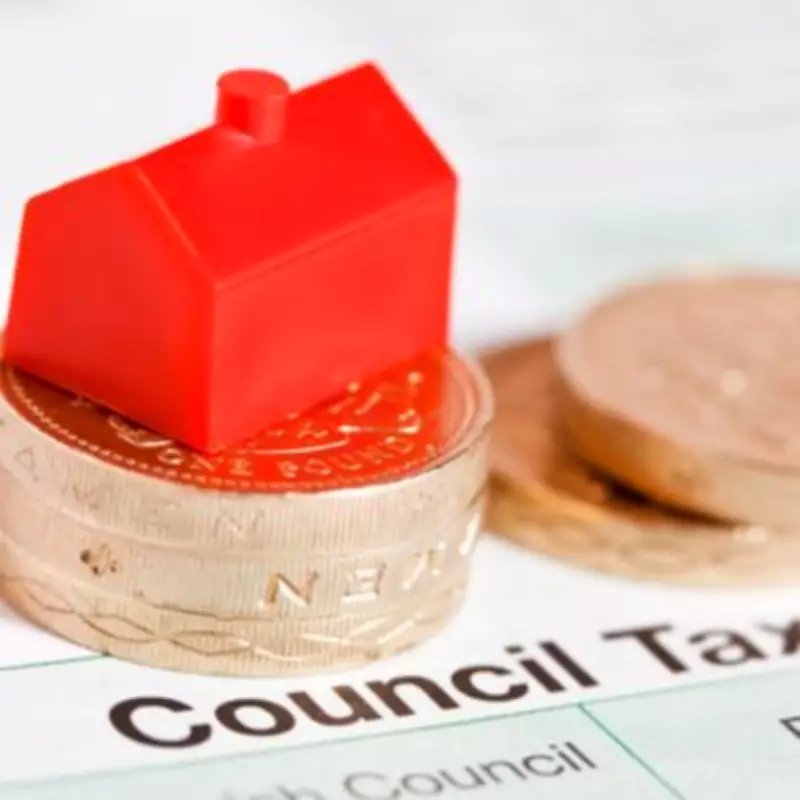
Westminster City Council, a Central London authority, has announced a freeze on its main council tax charge for the 2026/27 financial year. This decision aims to assist residents grappling with escalating cost of living pressures. The council will utilize £19.7 million from its reserves to balance the budget, a move described as "unusual" but not concerning by council officers.
Details of the Council Tax Changes and Savings Plan
While the main council tax remains frozen, the adult social care precept will increase by 2%, equating to an additional 20p per week or £10.54 annually for Band D households. Simultaneously, the Greater London Authority precept rises by 4.1%, costing Band D payers an extra £20.13 per year. Westminster, known for having one of the lowest council tax rates nationally, has also outlined a comprehensive savings strategy targeting £59 million by 2029.
Key savings initiatives include:
- Implementing AI to automate front door functions in Adult Social Care, saving £300,000 by 2029.
- Reducing Universal Free School Meals expenditure by £300,000.
- Charging utility firms for street works, generating £1 million by 2029.
- Boosting commercial waste income by £1.3 million in 2026/27.
- Increasing income from Leisure contracts by £1.21 million.
- Collecting an estimated £4.39 million from indexed fees and charges.
- Enhancing enforcement of parking and other fines to raise £8.6 million in 2026/27.
- Withdrawing emergency grants from the Environment and Communities portfolio, saving £100,000.
- Conducting transformation and efficiency reviews, with savings of £1.1 million in 2026/27, potentially rising to £6 million by 2029.
- Extending controlled parking zones to evenings and weekends, saving £1.5 million.
Additional savings involve redesigning services and investing in technology and prevention strategies, as detailed in a budget report presented to the Cabinet.
Financial Challenges and Future Projections
The council anticipates a budget gap of £87.8 million by 2029, largely driven by a £75.6 million reduction in annual Government funding due to the Fair Funding Review. This projection excludes potential council tax increases in 2027/28 and 2028/29. Officers emphasized that using reserves is a temporary measure, stating, "one-off use of reserves will not be able to solve the financial challenge faced by the Council going forward." Reserves are forecasted to stand at £318.6 million by April 1, 2026.
Despite these pressures, Westminster City Council is advancing £350 million in investments for new housing and regeneration projects. Notable initiatives include £174 million for 300 new homes and a community health hub at Lisson Grove, and £34 million to enhance Regent Street's accessibility and sustainability.
Leadership and Advocacy Efforts
Council Leader Cllr Adam Hug highlighted the council's commitment to financial prudence and resident support. He stated, "Keeping council tax low is just one way we are helping local people with rising bills and the cost-of-living crisis. This Budget represents an ongoing solid and substantial commitment to build a fairer Westminster." Hug also advocated for a proposed overnight levy on visitors to generate revenue for local services, mirroring practices in other world capitals.
Westminster is among five London councils granted flexibility to increase council tax by more than 5% over the next two years, though the council did not request this during consultations. Future use of this option remains uncertain, as councils typically require a referendum or government dispensation to exceed the 5% ceiling, waivers that have been applied elsewhere previously.