Rotherham Council's Controversial Flag Grant Scheme Faces Backlash
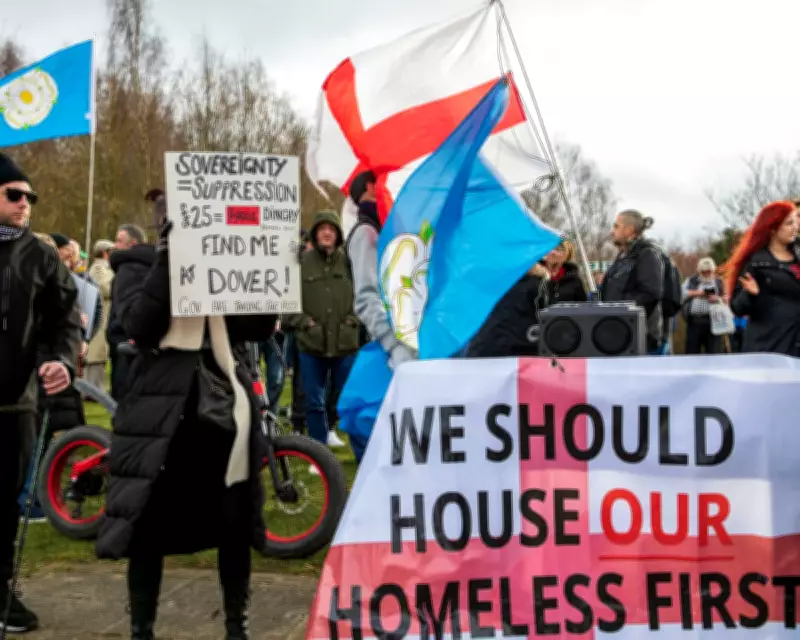
A Labour-led council in Rotherham, South Yorkshire, has ignited a fierce debate after quietly announcing a scheme offering £500 grants to community groups and parish councils for erecting flagpoles displaying either the Union Jack or St George's flag. The initiative, funded by an underspend from another council project, has been branded as "flag terror" by critics who accuse the authority of capitulating to far-right influences in a town with a troubled history of racial tensions and civil disorder.
Council Defends Flags as Symbols of Unity
Council leader Chris Read, who has led the Labour administration for 11 years, defended the "tiny" expenditure of "a few thousand pounds" by an authority grappling with debts reaching £677 million last year. He emphasized that the grants would not impact council tax bills and argued that national flags should serve as "symbols of all our communities" rather than being surrendered to extremist groups. Read acknowledged previous concerns about "scraggy" flags erected across Rotherham, which he described as becoming "disrespectful to a proud nation," and stated the council's intention to remove them while promoting respectful display from council buildings.
Accusations of Appeasing Far-Right Elements
The scheme has drawn sharp criticism from community activists and racial justice advocates. Désirée Reynolds, artist in residence at Sheffield City Archives, condemned the move as part of a "terror campaign" and accused Labour of "full appeasement" toward far-right rhetoric. She questioned whether all communities were consulted about the grants and highlighted the fear instilled by previous flag displays in "racialised communities." Jawad Hussain of Rotherham Stand Up To Racism echoed these concerns, noting that the flags have historically been used by groups like the BNP, Ukip, and EDL to exclude minority communities, and warned that the council's action would "embolden the far right."

Historical Context of Racial Tensions in Rotherham
Rotherham has been a focal point for racial conflict and far-right activity for years, particularly following the exposure of grooming gangs in the area. In 2024, the town witnessed one of the worst cases of civil disorder in recent English history when demonstrators attempted to set fire to a hotel housing asylum seekers, sparking race-fueled riots. Hussain recounted how his local mosque was defaced with a St George's flag after the asylum hotel riot, underscoring the symbolic weaponization of national emblems. Independent councillor Taiba Yaseen raised additional concerns about the exclusivity of funding only two flags, questioning how requests for Pride, Ukrainian, or Palestinian flags would be handled.
Broader Implications for National Symbols and Community Cohesion
The controversy reflects wider anxieties across Britain about rising ethno-nationalism and the intimidation of minority groups through flag displays. Read has previously admitted that some communities felt "scared" by the proliferation of national flags on lamp-posts and expressed being "very concerned" about far-right influencers sowing division in Rotherham. The council's grant scheme aims to reclaim national symbols from extremists, but critics argue it risks legitimizing their narrative. As debates over identity and belonging intensify, the episode highlights the delicate balance local authorities must strike between promoting unity and avoiding perceptions of endorsing divisive ideologies.