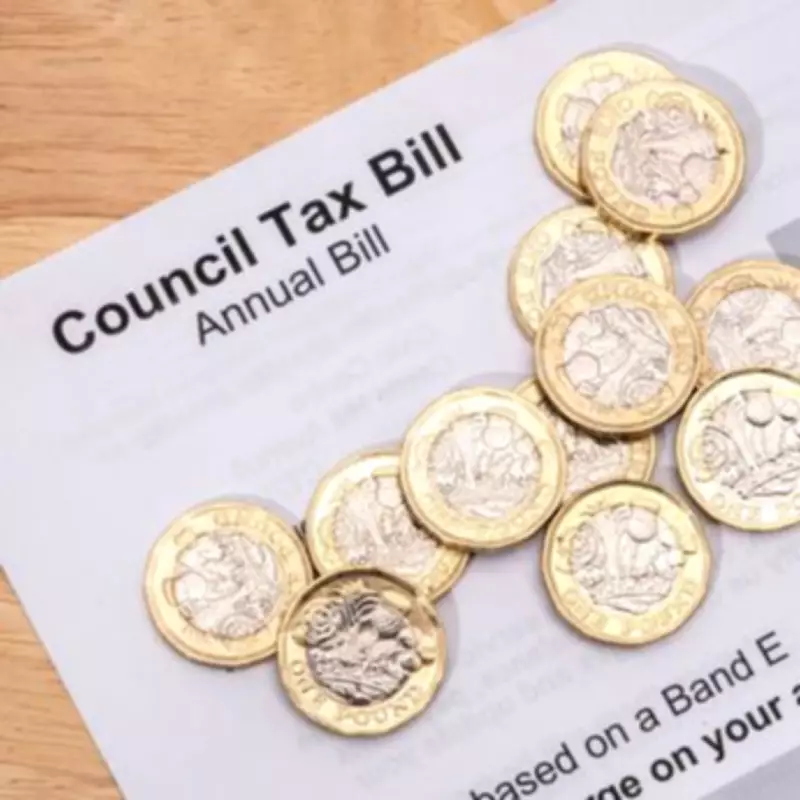
Residents in Lambeth are confronting a significant 4.99 per cent increase in council tax set to take effect from April 2026, a move that will elevate annual payments for Band D households beyond the £2,000 threshold. This proposed hike forms a crucial component of Lambeth Council's budget for the 2026/27 financial year, aligning with government expectations to secure funding for essential public services.
Detailed Breakdown of the Council Tax Rise
The 4.99 per cent increase comprises a 2.99 per cent rise in core council tax alongside an additional 2 per cent specifically allocated to adult social care. For a typical Band D property in the borough, the total annual council tax bill for 2026/27 will amount to £2,047.11. This figure incorporates the Greater London Authority (GLA) precept of £510.51, which supports police, fire, and transport services across the capital.
Budgetary Pressures and Financial Strategy
Lambeth Council's budget for 2026/27 and its Medium-Term Financial Strategy (MTFS), outlining financial planning over the next four years, will undergo discussion at a cabinet meeting scheduled for Monday, February 23. The council highlights that expenditure on temporary accommodation is projected to approach nearly £105 million this year alone. The current budget proposals aim to address unplanned and unexpected events while sustaining an affordable capital investment programme.
To achieve financial balance, the council has identified savings totalling £99.7 million, necessitating implementation through to 2028/29. Of this substantial sum, £46.5 million in savings is earmarked specifically for the 2026/27 period. Despite these measures, the council estimates that over £130 million in further savings will be required over the subsequent four years, though specific services potentially impacted by future cost-cutting initiatives remain unclear.
Departmental Cuts and Service Reductions
In the current financial year, the Growth and Environment department faces the most severe reductions, with savings totalling £8.3 million, followed closely by the Resources department at £5.6 million. As part of these savings proposals, the council has already announced the cancellation of the Lambeth Country Show for 2026, an event that falls under the Growth and Environment portfolio.
The free two-day annual celebration, held in Brockwell Park for over five decades, would demand a substantially increased financial contribution from the council. A Lambeth Labour spokesperson previously indicated to the Local Democracy Reporting Service (LDRS) that staging the 2026 event would have incurred costs of £1.1 million.
Additional Revenue-Generation Measures
Last month, the council revealed plans to increase on-street and off-street car parking charges by up to 49 per cent, anticipated to generate £2.8 million in additional income for 2026/27. These new fees became effective from February 2026. Furthermore, the council has initiated a review and restructure of parks operations across the borough, projected to yield savings of £702,000.
Additional cost-saving measures include modifications to post-16 Special Education Needs and Disabilities (SEND) travel support, specifically by terminating non-statutory transport provision, expected to save £350,000. The council also plans to cease using hotels for homeless families, instead utilising existing hostel accommodation as out-of-hours provision for temporary accommodation, generating savings of £1.2 million.
Approval Process and Next Steps
Lambeth's Cabinet must endorse the recommendations for this year's budget and the MTFS ahead of the full council meeting on Wednesday, March 4, where councillors will cast their votes on the final budget plans. This decision-making process underscores the ongoing financial challenges faced by local authorities in maintaining service delivery amid rising costs and funding constraints.