Kidlington's Identity Crisis: Village Officially Becomes a Town Amid Local Debate
In a move that has sparked heated discussions among residents, Kidlington in Oxfordshire has officially transitioned from a village to a town. The decision, made by the parish council last week, comes after consultations with locals, but many remain divided over the implications of this change.
Historical Context and Local Sentiment
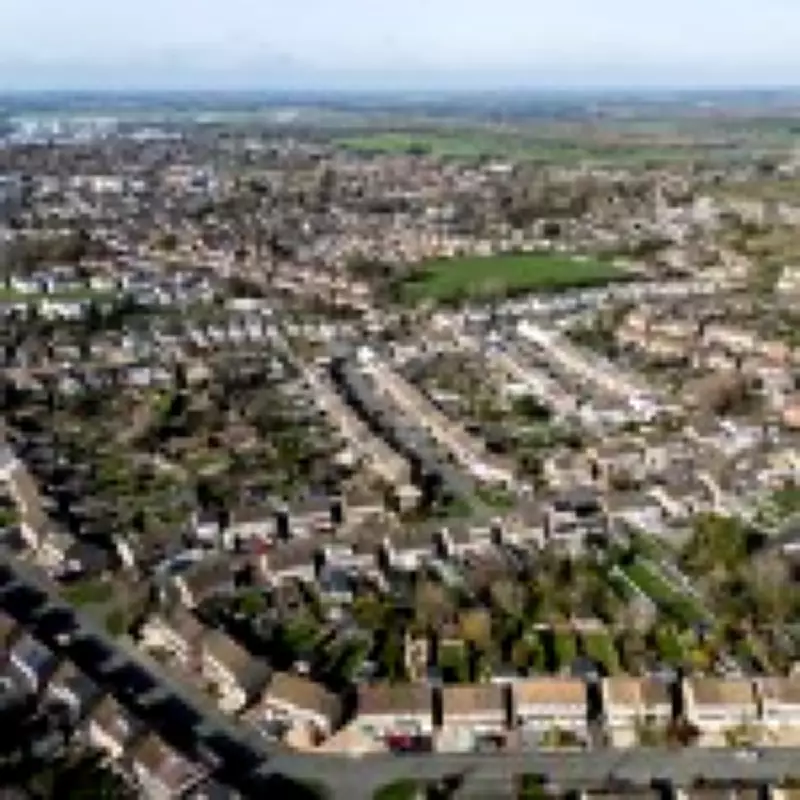
Kidlington, with a population of approximately 13,000, was previously recognized as one of the largest villages in Britain and Europe, boasting a rich history documented back to the Domesday Book. For decades, it maintained a well-to-do, semi-rural character that many residents cherished. However, the recent vote to reclassify it as a town has ignited a debate about community identity and practical concerns.
Tony Lewis, an 81-year-old pensioner who has lived in Kidlington for nearly 40 years, expressed his disappointment. "It's a bad step because we had the distinction of being the biggest village in England," he said. "Now we are just another little town. The other thing is that once you become a town, people want a mayor and a town council, loads more councillors, and the rates will go up like mad. So we'd be spending a lot more money for the privilege of being something which is totally unnecessary."
Lewis also highlighted ongoing issues like potholes, stating, "I believe money should have been allocated to other things like potholes for instance. The roads are in the most disgraceful state I have ever seen."
Concerns Over Bureaucracy and Costs
Many residents fear that the town designation will lead to increased bureaucracy and higher council tax bills. There is a widespread concern that more funds might be directed towards councillors' expenses rather than community improvements. Gloria Mundy, 72, a resident since 1975, shared her skepticism. "I can't see any advantages in the town designation," she said. "I would prefer it to be a village – it just got more of a community feel to it. A town to me seems something that it's not. I don't know what it represents being a town. My experience, when things like that are said, I have very little faith because it never comes to fruition."
Potential Benefits and Pragmatic Views
Despite the backlash, some see potential benefits in the change. The town status could offer greater protection against housing developments, as recent government planning rules have strengthened green belt protections around towns while downgrading those around villages to grey belt status. This might appeal to residents concerned about overdevelopment in the semi-rural area.
Robert Allen, 49, a lifelong resident, took a more pragmatic approach. "We were the biggest village in Europe, what did that actually lead to? It's not like it became a tourist destination as a result of it," he remarked. "If Kidlington becomes a suburb of Oxford and if that improves the actual overall standard in Kidlington – if there's more money for policing, for improving the roads and some of the parks – then great, I am happy for it. You wake up and you still live in Kidlington. It was always a large village and now it might be a small town, you know? I don't think it's going to affect anyone's day-to-day lives."
Councillors' Perspective and Future Implications
Councillors argue that the move will make Kidlington more defensible from what they term "land grabs" and prevent it from being absorbed into Oxford. They believe that town status will provide a stronger legal and administrative framework to safeguard local interests and resources.
This transition raises broader questions about the definitions of settlements in the UK. Typically, a town has over 2,000 inhabitants, features like a market and high street, and is governed by a town council, whereas villages are smaller with community hubs like pubs and churches. Cities, on the other hand, are designated by the monarch based on historical and population criteria, with no strict size threshold.
As Kidlington navigates this new chapter, the debate continues to reflect deep-seated values about community, cost, and change in rural England.