Tech Worker's Personal Crusade Against Brooklyn Bridge Trash
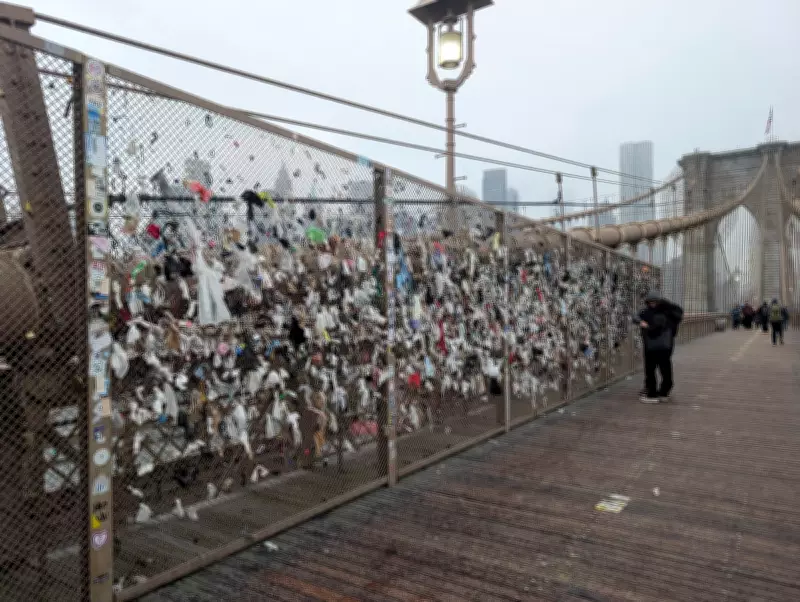
On a bitterly cold morning earlier this month, Ellen Baum walked across the Brooklyn Bridge with a heavy heart. The 37-year-old tech worker had just read distressing news about global and city problems, but her attention quickly shifted to a more immediate eyesore: the bridge itself was littered with dirty tissues, hair ties, trash bags, socks, and even condoms woven into its fencing.
"I can't do anything about some of these big problems that the world and the city are facing," Baum said. "But I can do one modicum of something nice." That simple thought launched an unexpected personal mission that would consume 16 hours of her time and capture the attention of New Yorkers citywide.
The 16-Hour Cleanup Operation
Baum dedicated eight days to clearing just the north side of one littered section, working in 90-minute to two-hour shifts. Her meticulous effort removed what she describes as "visual pollution" from a bridge she considers her backyard, living as she does in Brooklyn Heights just across the East River from Manhattan.

"You can find community in the strangest places," Baum remarked as her trash-collecting crusade gained momentum. Local media coverage and concerned citizens have since joined her effort, creating an impromptu cleanup movement for the 143-year-old National Landmark that sees nearly 29,000 pedestrians daily.
The Love Lock Phenomenon and Its Consequences
The Brooklyn Bridge has become an unlikely dumping ground for romantic gestures gone awry. Since at least the mid-2000s, lovers have attached locks to the bridge and thrown keys into the water below, following a tradition that dates back to a World War I-era Serbian folktale about heartbreak prevention.
This practice has spread globally from Paris's Pont des Arts to London, Budapest, and across the United States, despite many local governments imposing fines. New York City's Department of Transportation can issue $100 tickets for attaching locks to the Brooklyn Bridge, though recent blizzards and extreme temperatures have likely diverted their attention from regular cleanup duties.
Dave Colon, who helps run the journalist-owned New York Groove publication, expressed particular frustration with the trend. "There are so many other ways in which you can mark your time at the Brooklyn Bridge that you just do not have to leave us with your awful fucking garbage," he stated bluntly in a recent blog post titled "If you tie your garbage to the Brooklyn Bridge you should be thrown off the bridge."
Tourist Impact and Historical Significance
The Brooklyn Bridge attracts approximately 11 million pedestrians annually, surpassing even the Eiffel Tower's 7 million visitors. Pop historian David McCullough once called it "the Eiffel Tower of America" in his 1972 book "The Great Bridge," detailing its laborious construction.
Yet this popularity comes with consequences. The love locks primarily associated with tourists create maintenance challenges for a structure already burdened by regular wear and tear. While the transportation department uses boltcutters for lock removal, volunteers like Baum and groups such as Pick Up Pigeons focus on cleaning up the more mundane refuse.
"I'm not a curmudgeon," Baum clarified. "I have a lot of love in my life, but I've never felt the need to make a physical marker of it on a historic landmark."
Ongoing Challenges and Community Response
Despite cleanup efforts, the problem persists in real-time. During a recent interview with a news team about her project, Baum witnessed a woman walking up behind her to tie something to the bridge. "People put things up as I'm cleaning it," she observed. "They have no shame."
Colon framed the issue as a troubling social phenomenon: "It's that old thing: if you saw everyone jumping off a bridge, you would do it too? I guess now it's 'if you saw a bunch of people tying condoms to a bridge, would you do it too?' And the answer is, unfortunately, yes."

Undeterred by the continuous additions, Baum plans to coordinate monthly meetups where anyone can join the cleanup effort. Her modest initiative has grown into a community movement addressing what many see as disrespect for one of New York's most iconic structures.
The Brooklyn Bridge cleanup effort highlights broader questions about public space maintenance, tourist behavior, and community responsibility in urban environments. As Baum continues her work, she demonstrates how individual action can inspire collective response, even for problems as entrenched as bridge litter in a city of millions.